USM Trains Experts in Advanced Halal Meat Testing Using First-Developed DNA Probe Kits
October 26, 2026
USM Undergoes AACCUP First Survey Visit for Five Academic Programs
October 26, 2026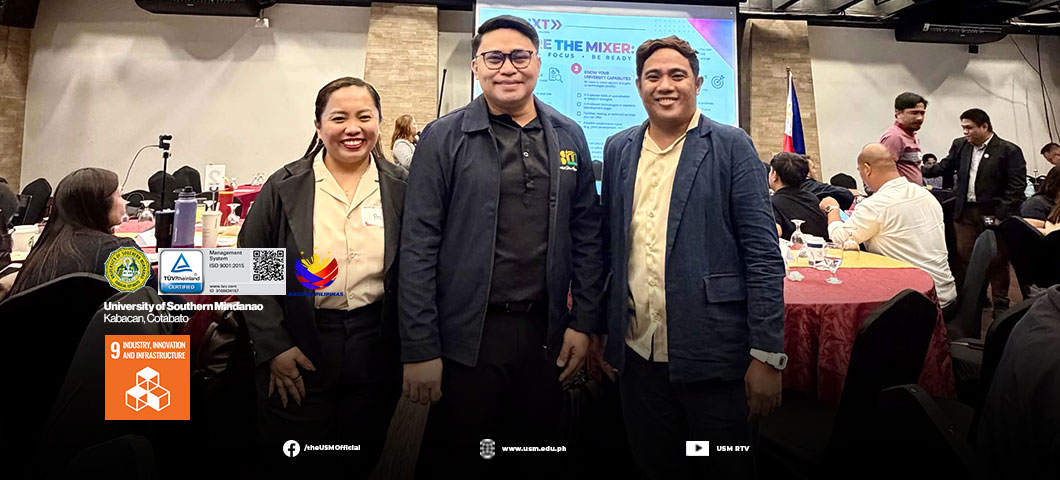
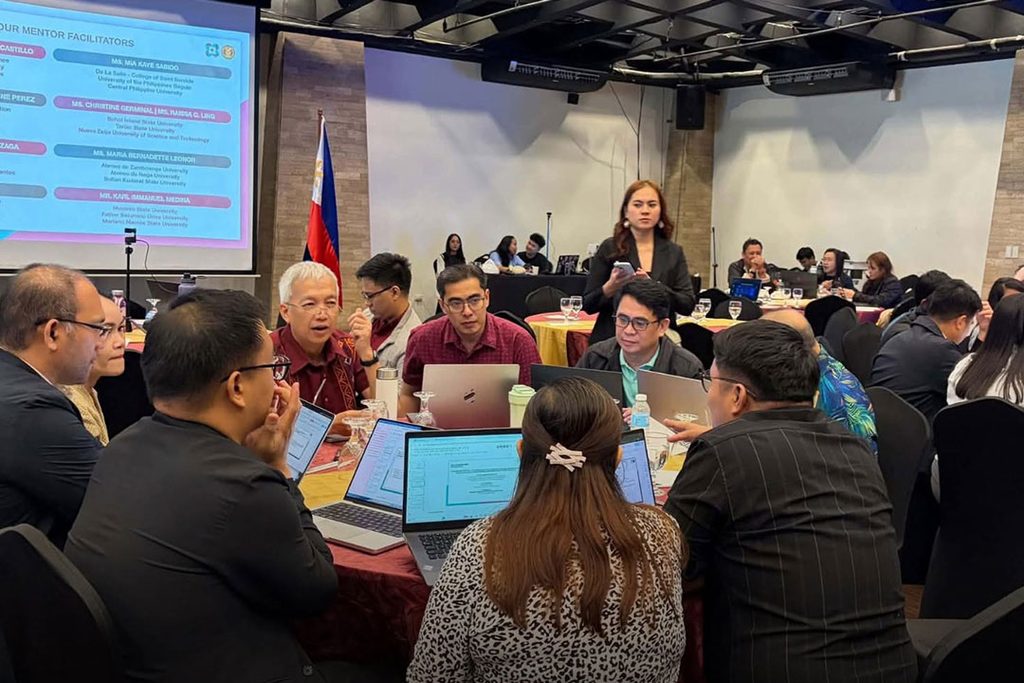
The University of Southern Mindanao (USM) joined higher education institutions (HEIs), government agencies, and industry partners in discussing technology licensing and commercialization during the Knowledge and Technology Transfer Office (KTTO)-Intellectual Property Management Program for Academic and Research Institutions Commercializing Technologies (IMPACT) NXT Phase 2 Workshop Series and Industry Mixer held on October 21–23, 2026, at Green Sun Hotel in Makati City.
The three-day event included roundtable discussions among university technology transfer offices, sessions on licensing policies and commercial readiness, and presentations of successful technology licensing initiatives. These activities gave participating institutions an opportunity to share experiences and discuss ways to bring university-developed technologies to the market.
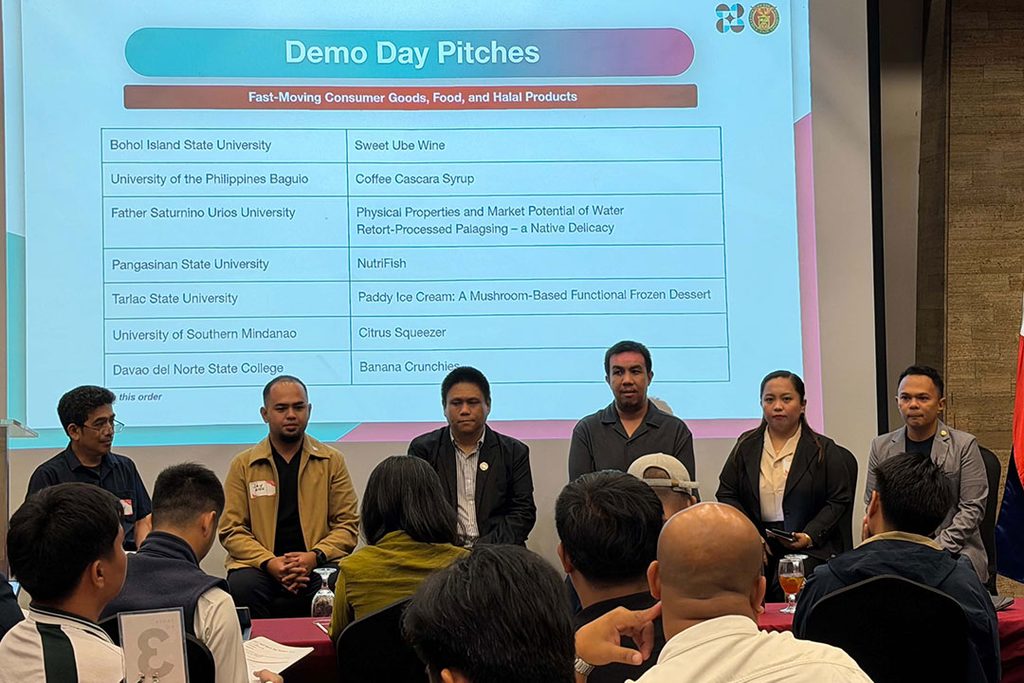
On the third day, Associate Professor Analyn A. Gonzales presented USM’s Citrus Squeezer technology to a panel of experts. The panel recommended further validation of its target market and a closer assessment of its return on investment (ROI). These inputs will help the team better assess the technology’s commercial potential and identify areas that need improvement.
During the afternoon Industry Mixer, the USM delegation met with potential industry partners and secured Letters of Interest (LOIs) for university-developed technologies, a step toward possible partnerships and commercialization.
Aside from Assoc. Prof. Gonzales, USM was represented by Assoc. Prof. Jalaloden B. Marohom and Assoc. Prof. Atty. Sunny Rye Nogalo.
The activity was conducted under the IMPACT NXT Program, a national capacity-building initiative that supports Knowledge and Technology Transfer Offices (KTTOs), Technology Business Incubators (TBIs), and innovation portfolios of DOST-supported universities. The program is supported by the Department of Science and Technology–Philippine Council for Industry, Energy and Emerging Technology Research and Development (DOST-PCIEERD).