From Tawi-Tawi, USM Powers Up Research and Innovation
August 22, 2026
USM Formalizes Trademark Licensing for Authorized Use of University Seal
August 24, 2026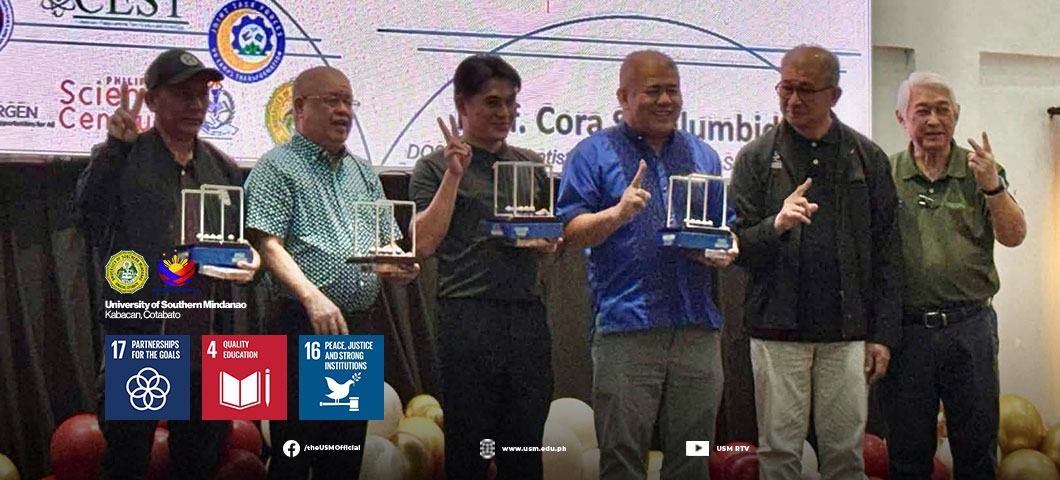
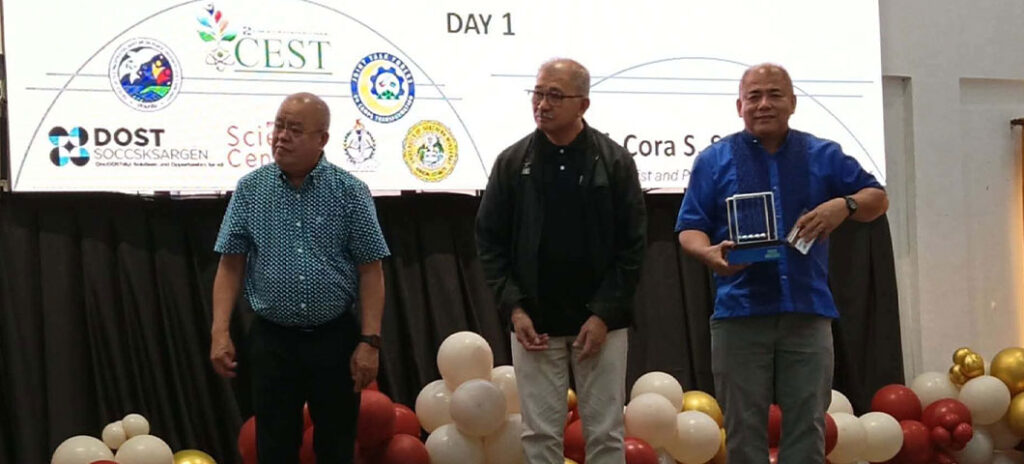
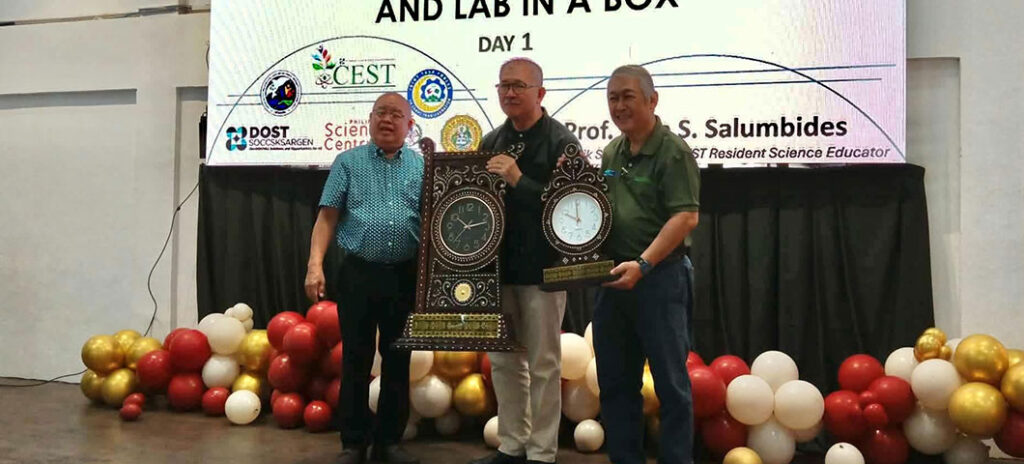
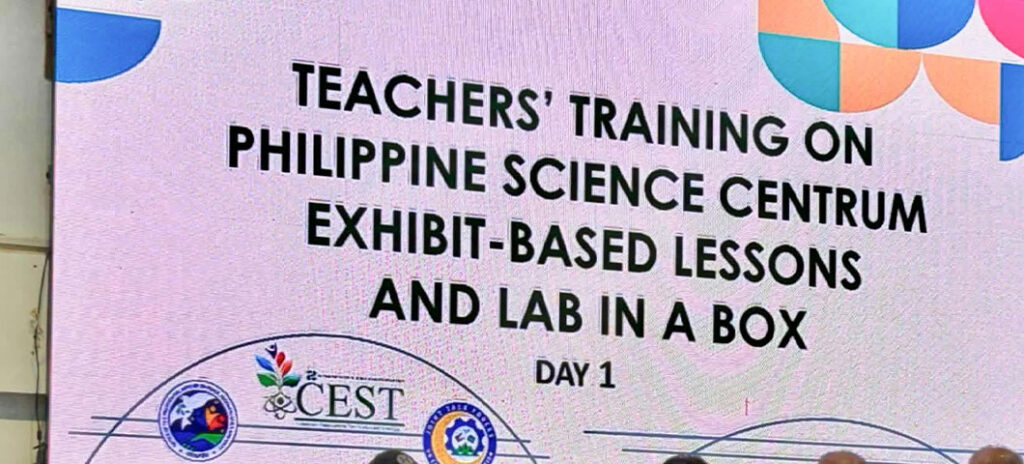
The University of Southern Mindanao (USM) participated in the two-day “Teachers’ Training on Philippine Science Centrum Exhibit-Based Lessons and Lab-in-a-Box” held on August 1–2, 2026, at the Mindanao State University–Main Campus in Marawi City. The activity forms part of the ongoing partnership among USM, the Philippine Foundation for Science and Technology (PFST), the Department of Science and Technology Regional Office XII (DOST XII), and the Department of Education–Division of Lanao del Norte under the Science for Peace Program.
USM President Dr. Jonald L. Pimentel attended the activity as part of the University’s participation in the collaborative initiative. The training brought together partner institutions and education stakeholders in support of the program’s efforts to deliver science and technology interventions in communities.
During the two-day activity, the participants explored the use of Philippine Science Centrum (PSC) Exhibit-Based Lessons and the Lab-in-a-Box as approaches to science teaching. The training introduced practical activities and demonstrations that allow teachers to examine scientific concepts beyond conventional classroom instruction and identify ways of integrating hands-on learning experiences into their lessons.
The activity is among the initiatives implemented under the Science for Peace Program, particularly its Science and Technology Solutions for Peaceful and Productive Communities component. Through the Community Empowerment through Science and Technology (CEST) Program, the initiative promotes the use of appropriate science and technology interventions to support the development of communities. The teacher training serves as part of its human resource development efforts for education stakeholders.
USM’s participation is anchored on its formal partnership with DOST XII, PFST, and other concerned institutions. Under the Memorandum of Agreement, the University provides institutional support to the implementation of the program, including coordination with PFST and the provision of faculty expertise during training activities. The partnership brings together the resources and capabilities of government agencies, academic institutions, and science education organizations in carrying out the program.
Through its participation in this continuing initiative, USM strengthens its role as the partner institutions work together to advance the goals of the Science for Peace Program. The collaboration reflects USM’s commitment to supporting capacity-building initiatives that equip teachers with meaningful and practical approaches to teaching science and, ultimately, help promote the development of more scientifically engaged and empowered communities.