
USM Orients Security Personnel on Bawal Bastos Law
May 14, 2026
USM Launches EODB Month, Offers Fast Lane Services
May 18, 2026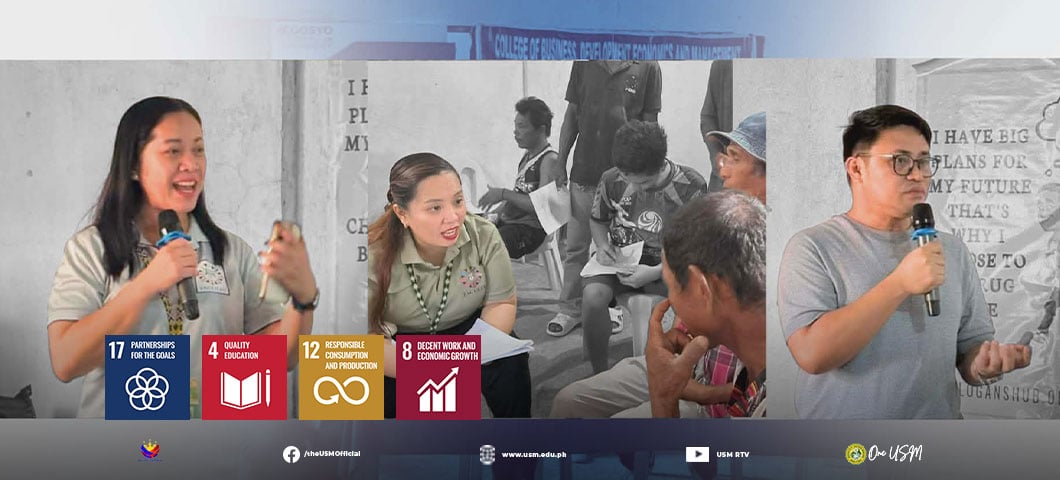
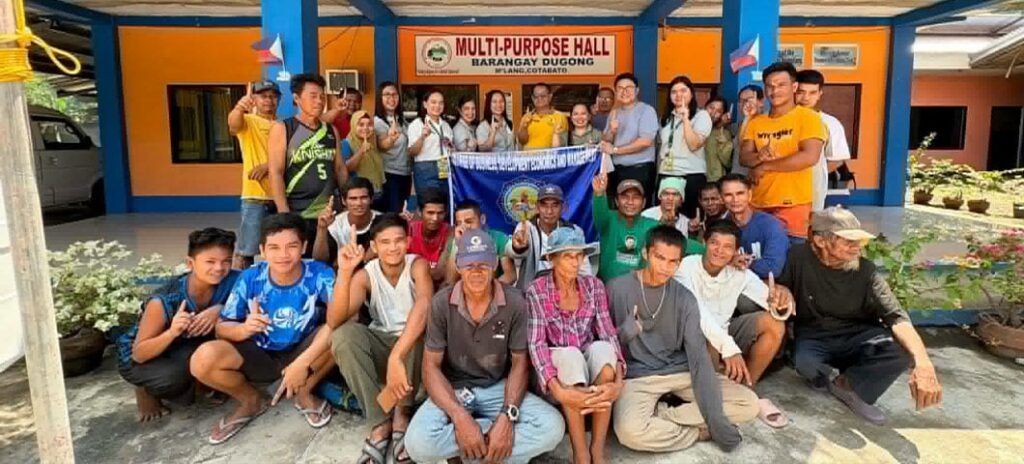
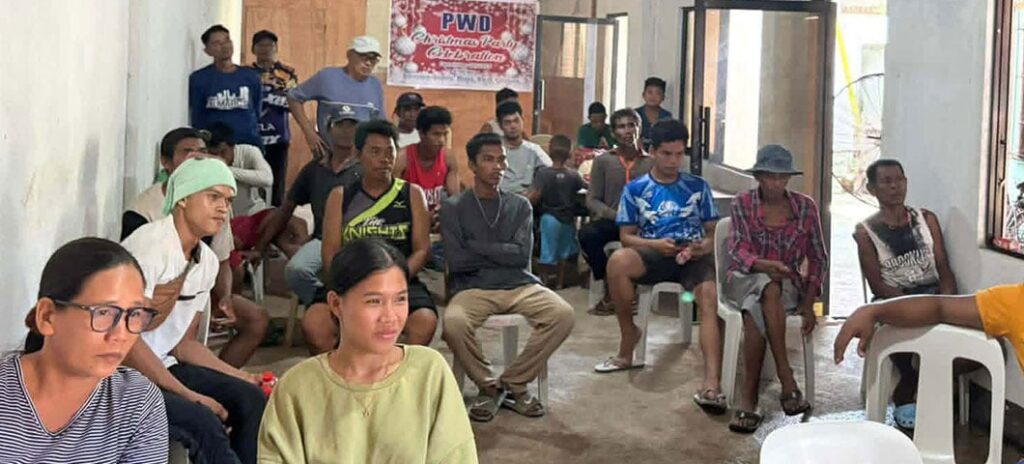
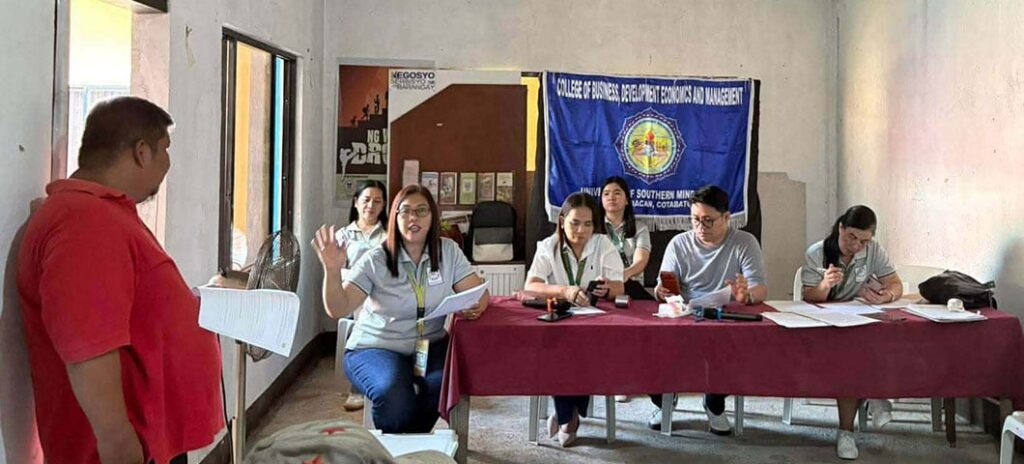
M’LANG, COTABATO— Team members of the “NeGOATsyo Project: Building Rural Livelihood through Marketing and Halal Goatpreneurship” conducted a strategic consultation and needs assessment validation on May 14, 2026, at Brgy. Dungos, M’lang, Cotabato. As part of the project’s pre-implementation phase, the initiative aimed to validate the production and commercialization requirements presented by the Dugong Kalilintad Multi-Purpose Association (DUKAMA) and the M’lang Halal Agri-Fishery Council, Inc. (MAFC).
The NeGOATsyo Project is an extension initiative of the University of Southern Mindanao (USM) College of Business, Development Economics and Management, under the Department of Business Administration. It aims to enhance rural livelihoods by establishing Halal goat enterprises.
Headed by Project Leader Dr. Jalaloden B. Marohom, the team first facilitated focus group discussions with 31 partner-beneficiaries to gather relevant data and analyze local farming challenges. This was followed by a needs assessment validation, which verified the members’ need for basic entrepreneurial skills and standardized, Halal-compliant slaughtering processes.
To further bolster MAFC’s readiness for Halal production and commercialization, the team introduced the university’s Halal Chevon Project and the “Goatpreneurship” concept. This refresher was strategically designed to introduce technical production standards and marketing strategies.
“Let us all be innovative by adopting value-added initiatives gaya ng pagluluto ng mga Halal Chevon Recipes, because through this, we can increase the value of our local livestock,” Dr. Marohom concluded.
The day-long activity was facilitated by faculty members from the USM Department of Business Administration, who also spearheaded the documentation and evaluation synthesis process.
As the project moves forward, the team is set to roll out structured training workshops to equip beneficiaries with skills in business planning, record-keeping, financial management, and strategic marketing.