USM College of Education Brings New Learning from Thailand
March 30, 2026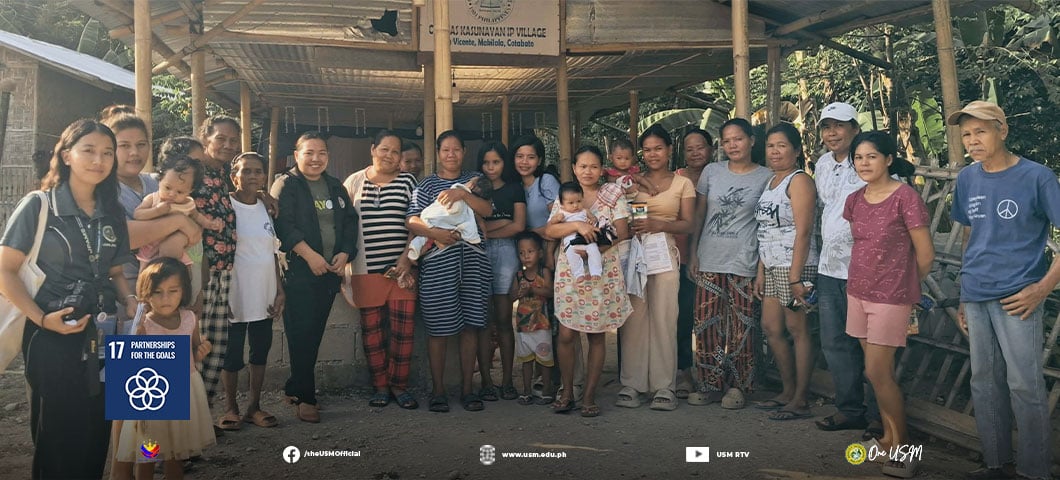
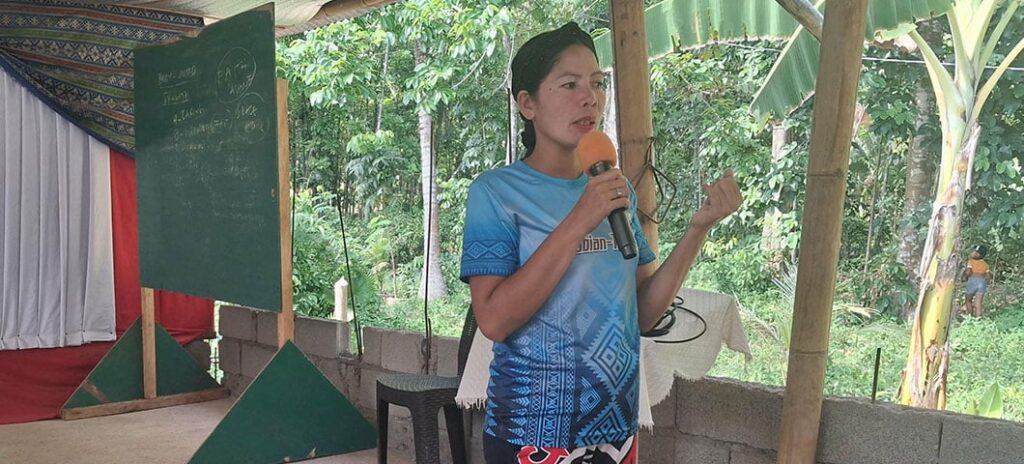
To ensure a comprehensive assessment of community progress and program effectiveness, the University of Southern Mindanao Extension Services Office (USM-ESO) and the Inter-Cultural Organizations’ Network for Solidarity and Peace (ICON-SP) conducted a monitoring and evaluation activity for the Unibersidad at Kumunidad (UniK) Program on March 23, 2026.
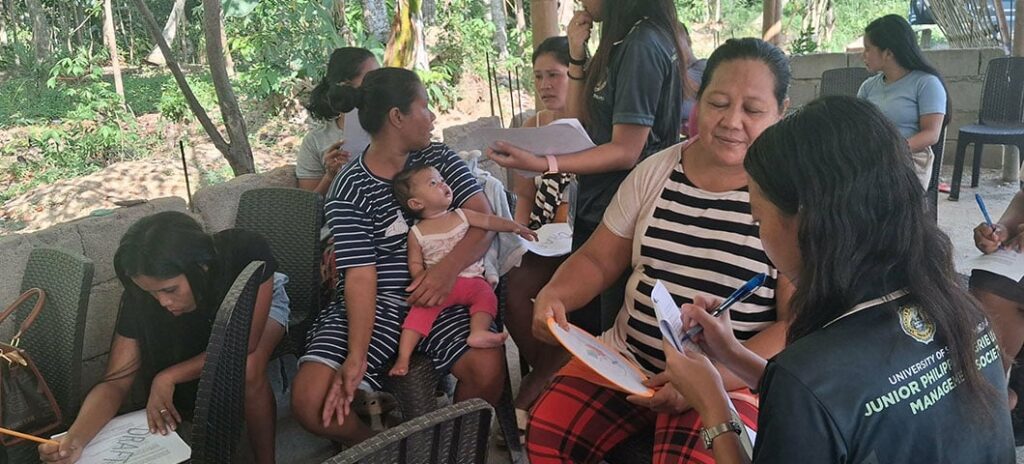
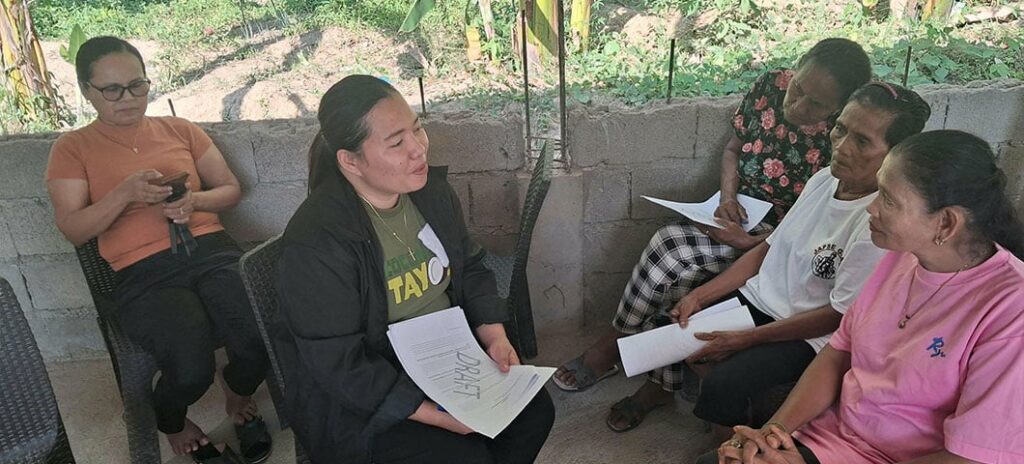
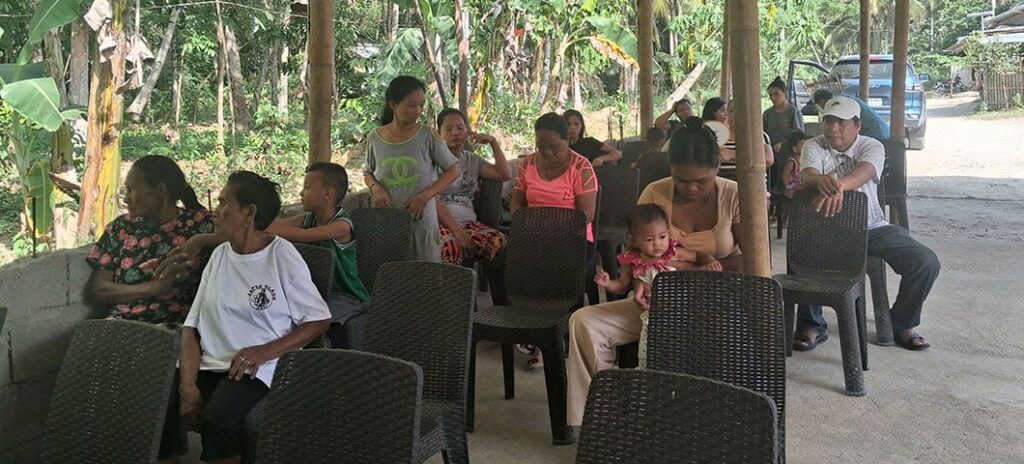
Held at Caritas, IP Kasunayan Village, San Vicente, Makilala, Cotabato, the activity gathered 27 Bagobo-Tagabawa beneficiaries who participated in surveys, interviews, and focus group discussions.
Ritchel O. Torres, ESO Training Specialist II, alongside ICON-SP personnel Flor Llanto, Armando S. Manial, and Rhodel Berang, facilitated the data collection process. The team led organized discussions to determine how the program has specifically contributed to the holistic growth of the participants.
“Dahil sa mga training ng UniK, natutunan namin magtanim ng gulay, magluto ng linutlot, at gumawa ng squash noodles,” shared Bernabe Uno.
His gratitude reflects the core of the UniK Program—a life-saving initiative that moves beyond a single agenda to embrace a holistic development approach, focusing on health, skills development, arts and crafts, agriculture, and literacy.
Further bolstering its mission of sustainable and holistic development for the IP Kasunayan community, the UniK Program, led by ESO Director Dr. Glyn B. Gabano-Magbanua, continues to bridge the gap between academic resources and grassroots needs through the ongoing implementation of various integrated projects for the year 2026.
The successful evaluation of UniK’s holistic impact to the IP community in Makilala underscored the transformative role of USM extensionists in fostering genuine empowerment that transcends simple aid, allowing indigenous wisdom and modern learning to converge into a self-reliant and resilient future. By gathering these real-life testaments, the monitoring process proves that USM’s mission is not merely about shifting socioeconomic status, but about nurturing the community’s collective agency across health, literacy, and cultural heritage. This commitment ensures that the Bagobo-Tagabawa community directs its own progress, gaining the capacity and self-reliance to maintain its cultural heritage and long-term stability.