USM Receives Silver Cluster Award from ITSO
March 30, 2026
USM College of Education Brings New Learning from Thailand
March 30, 2026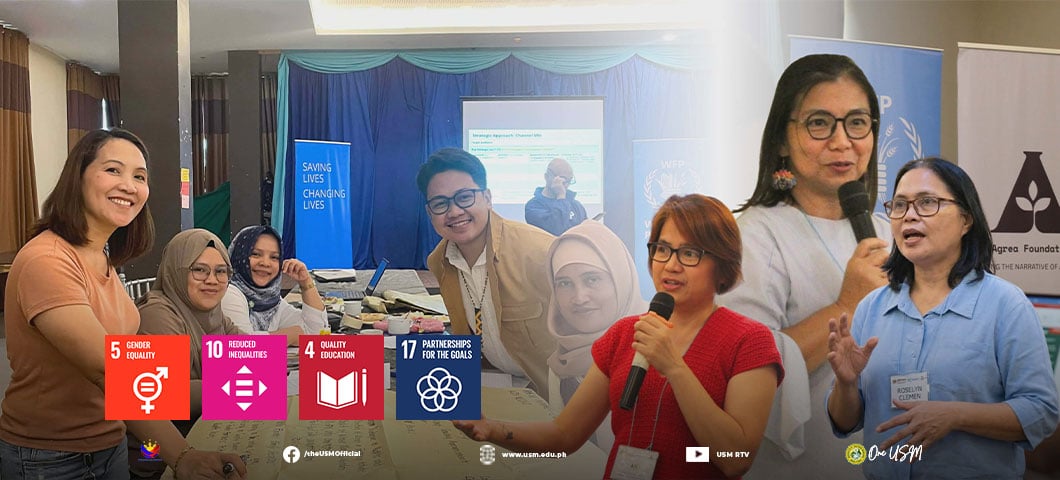
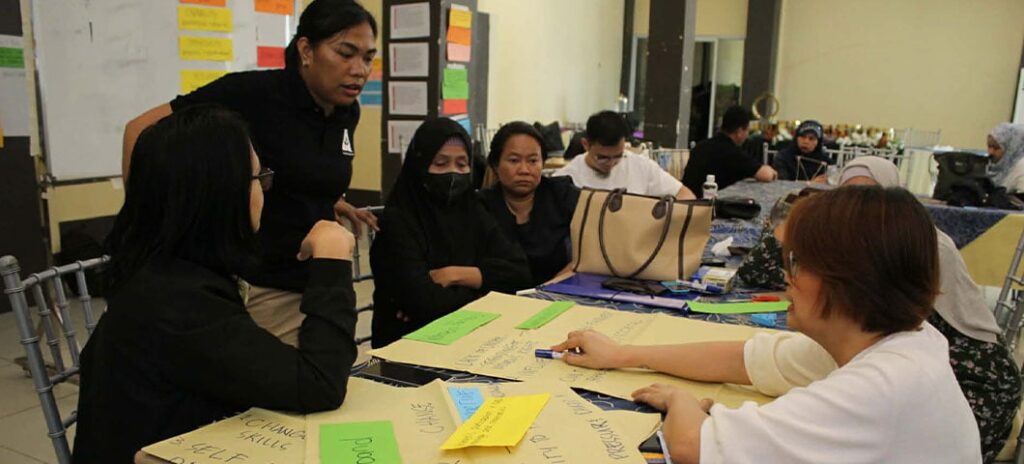
Following the Intersectional Gender Analysis (IGA) conducted by the World Food Programme (WFP) and Agrea Foundation across the Bangsamoro Autonomous Region in Muslim Mindanao (BARMM), the University of Southern Mindanao (USM) extended its expertise to co-validate findings through a series of collaborative workshops. This partnership with WFP, Agrea Foundation, Mindanao State University (MSU)-Maguindanao, and BARMM women groups ensured a comprehensive and community-grounded basis for future development interventions.
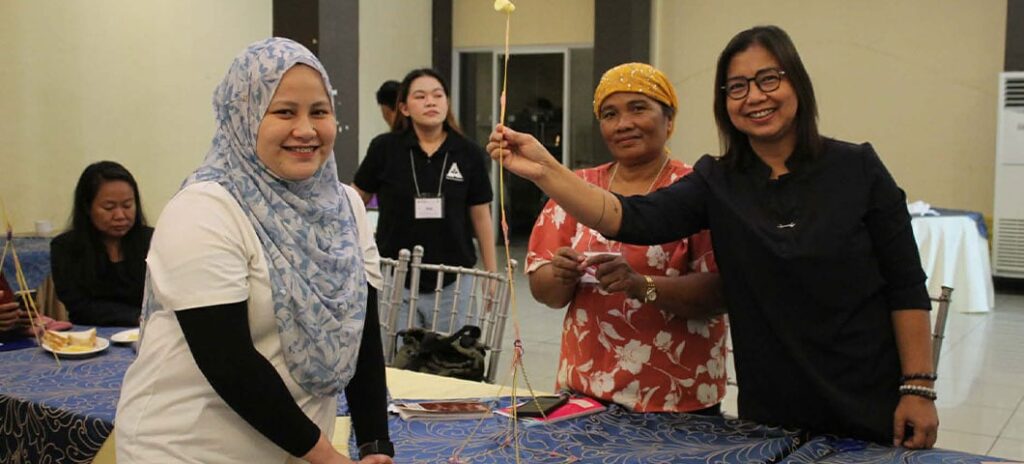
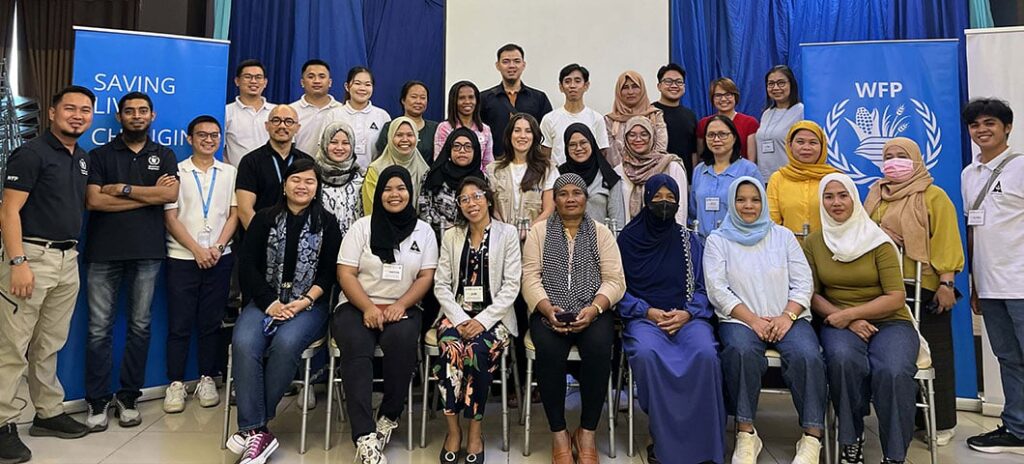
Held on March 24–26, 2026, at Alnor Hotel, Cotabato City, the validation series was joined by a USM delegation including Dr. Glyn B. Gabano-Magbanua, Director for Extension Services; Prof. Roselyn M. Clemen, Gender and Development (GAD) Focal Person; Prof. Anamarie B. Uyangurin, Extension Assistant; and Jimwell P. Pande, Extension Editor and Staff.
The first day focused on revealing the IGA findings. WFP Gender and Protection Officer Masum Billah facilitated a discussion highlighting a significant perception gap: many mothers viewed their involvement in agriculture as mere “help” to their husbands rather than a formal farming practice. Conversely, the findings also revealed a positive trend toward shared responsibility in household chores and childcare between parents.
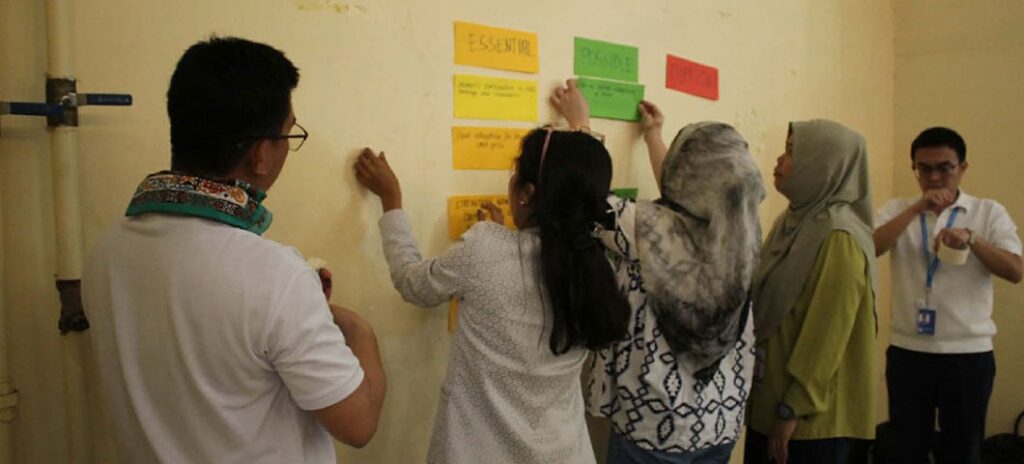
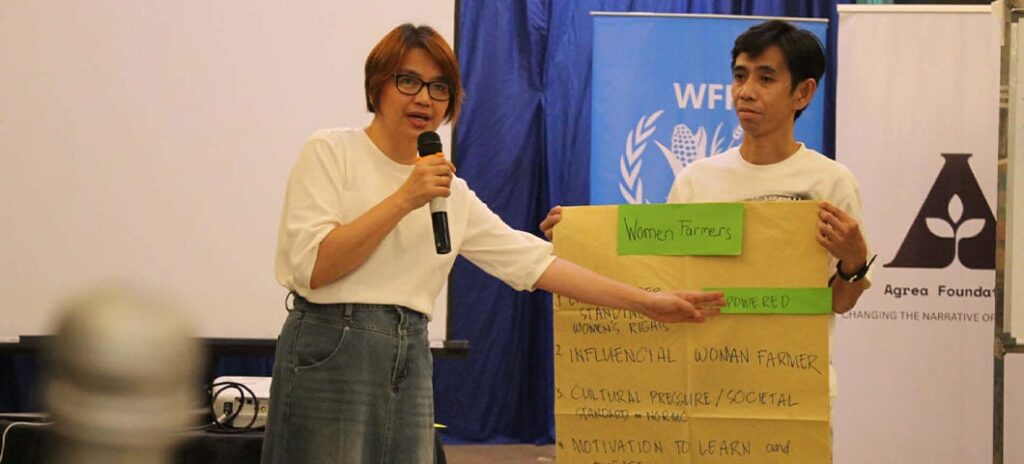
These results were validated through workshops where women participants engaged in group discussions. “Minsan ‘yung asawa ko siya na ang nagpapaligo sa mga anak ko kapag pumupunta ako ng mga trainings kagaya ngayon,” shared participant Christy Dionisio, illustrating the shifting dynamics of domestic support.
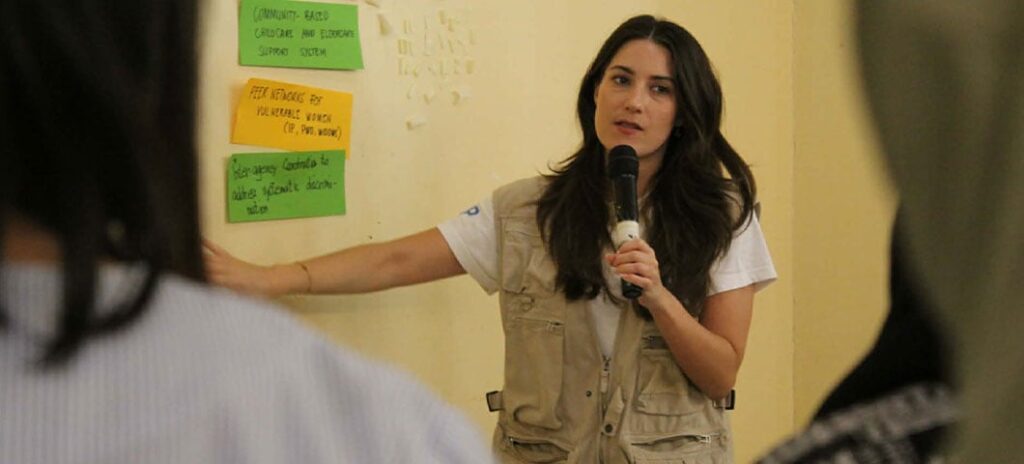
On the second day, WFP Gender Programme Policy Officer Dr. Ronald Del Castillo led a session on the Social and Behavior Change (SBC) framework, various SBC models, and identified influence barriers. This was followed by interactive workshops where participants identified appropriate models for different target audiences and developed key messages designed to effectively trigger positive behavioral shifts.
Moving from theoretical approaches to concrete activity design, the workshop continued into its third day. Participants crafted an integrated communication and advocacy plan tailored to the specific cultural and social contexts in BARMM.
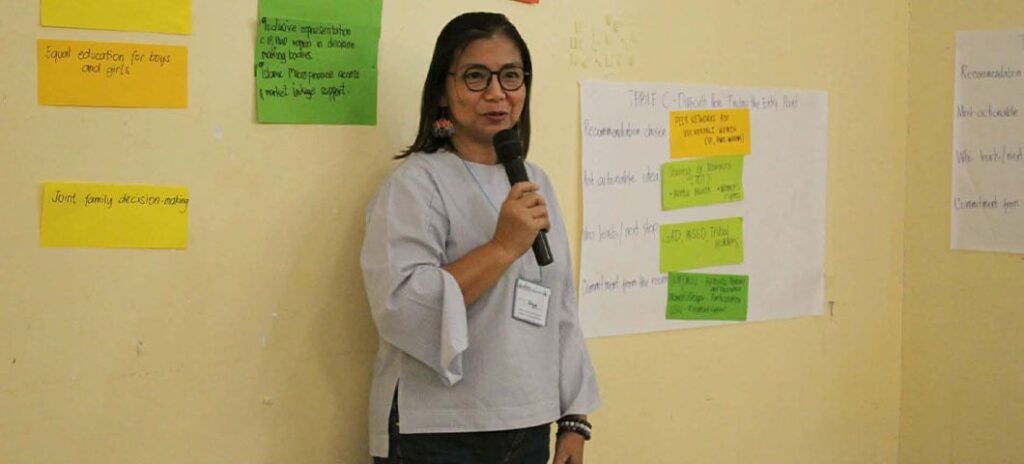
The program concluded with a formal sharing of commitments. Representing the university’s dedication to the cause, Dr. Magbanua expressed: “We, from the USM, will support in producing communication materials to address the gender problems here in BARMM.”
As the three-day activity concluded, WFP and Agrea Foundation prepared to bolster their initiatives, with women farmers as their primary focus. The active participation of the USM delegation underscored the university’s proactive role in empowering grassroots communities, bridging the gap between high-level analysis and localized action.
Central to this mission is the deep-seated need to understand and respect the social and religious contexts unique to the Bangsamoro. By aligning communication strategies with local values and spiritual foundations, the partnership fosters interventions that are not only culturally respectful but are built to be truly sustainable for the families of BARMM.