SOXAARRDEC Joins the 2026 Regional Consortia Joint Meeting, Celebrates PCAARRD’s 54th Anniversary
November 13, 2026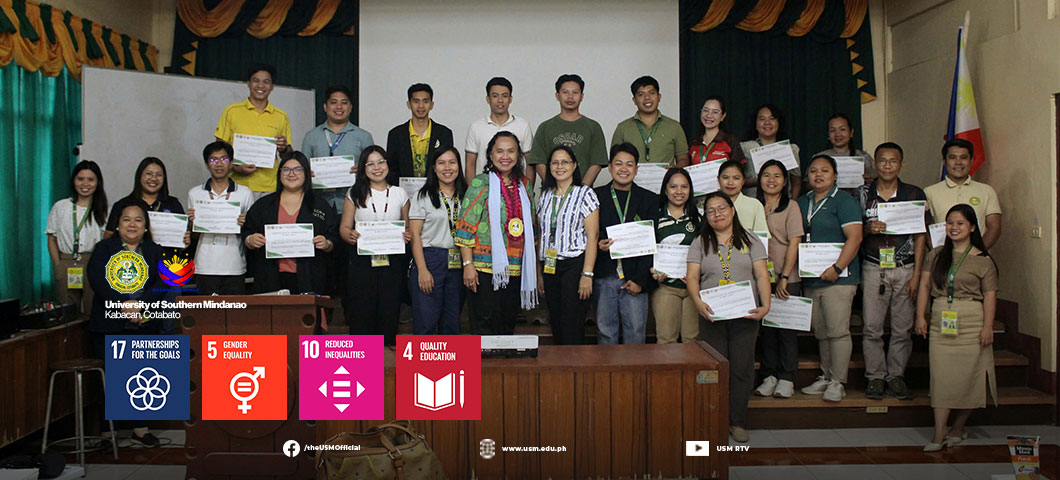
The Gender and Development (GAD) Office of the University of Southern Mindanao (USM) introduced the Harmonized Gender and Development Guidelines (HGDG) to university researchers and extensionists through a specialized training titled “Orientation on the HGDG Tool for Faculty and Staff Researchers and Extension Personnel” on November 12, 2026, at the College of Agriculture (CA) Audio-Visual Room.
The training, held in partnership with the Extension Services Office (ESO), aimed to integrate gender and development principles into research and extension programs, ensuring that institutional initiatives respond to the distinct needs, roles, concerns, and opportunities of men, women, and other sectors of the community.
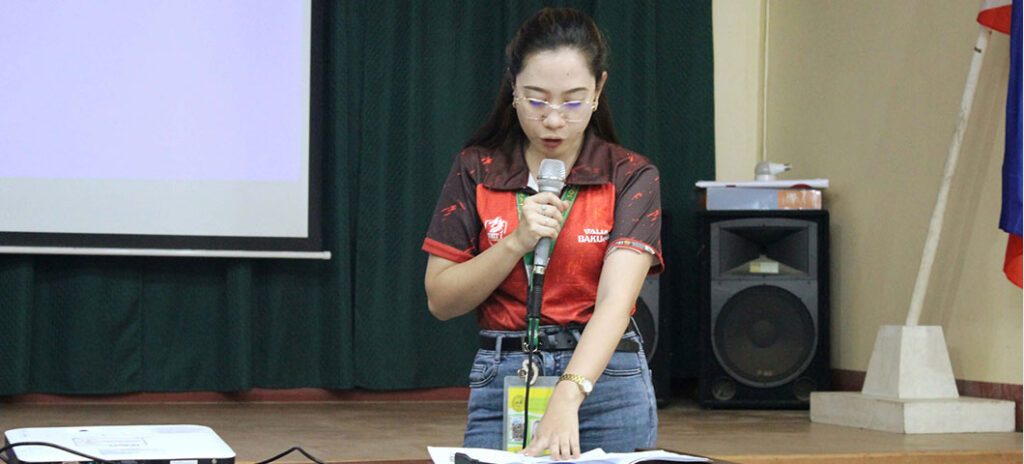
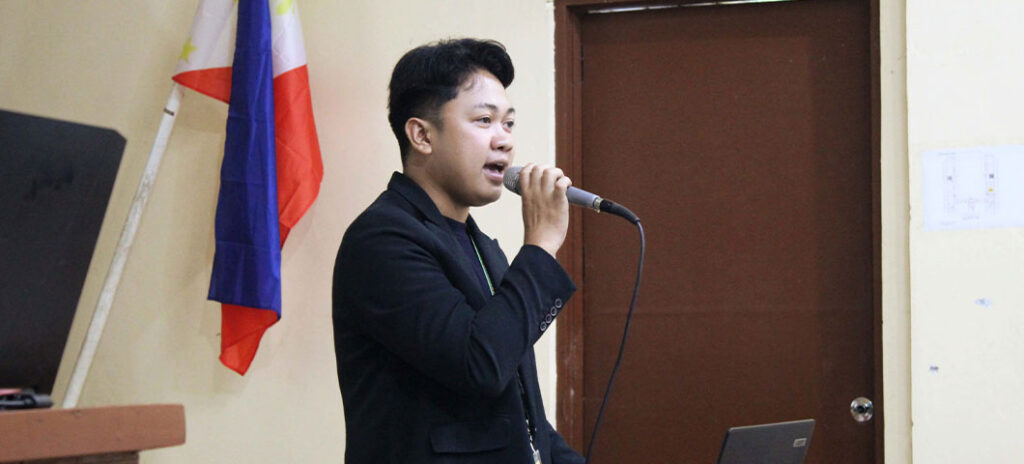
In her welcome remarks, Prof. Roselyn M. Clemen, USM GAD Focal Person, emphasized the practical value of the HGDG for new personnel, saying: “We are grateful today because most of you here are newly hired. Today, we come together not just to understand the guidelines as a set of rules or a document, but as a practical tool to identify gender issues and think about how to solve them. That is why, by strategically inviting you here, we know that we can transform our future proposals into gender-responsive ones.”
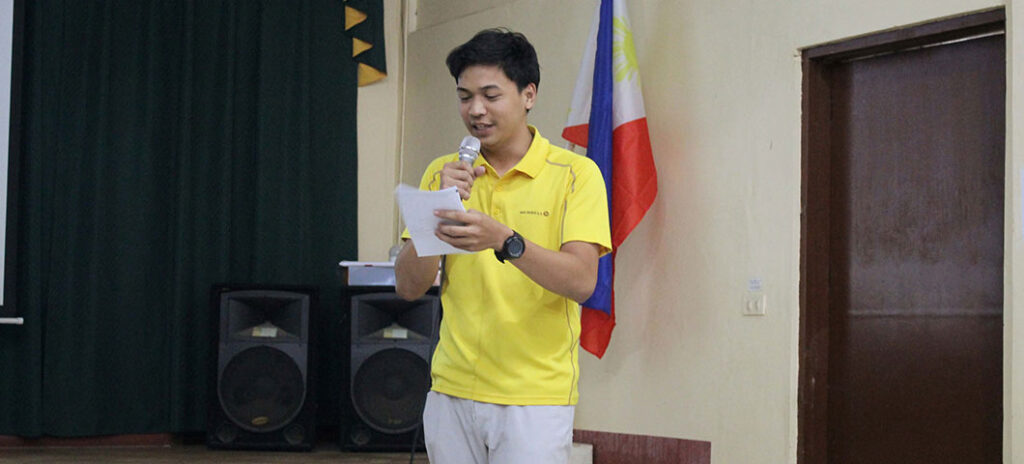
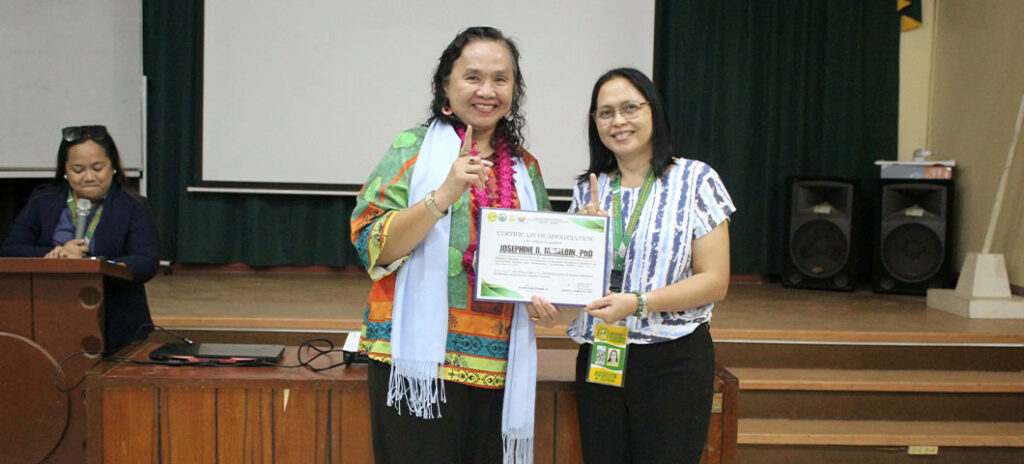
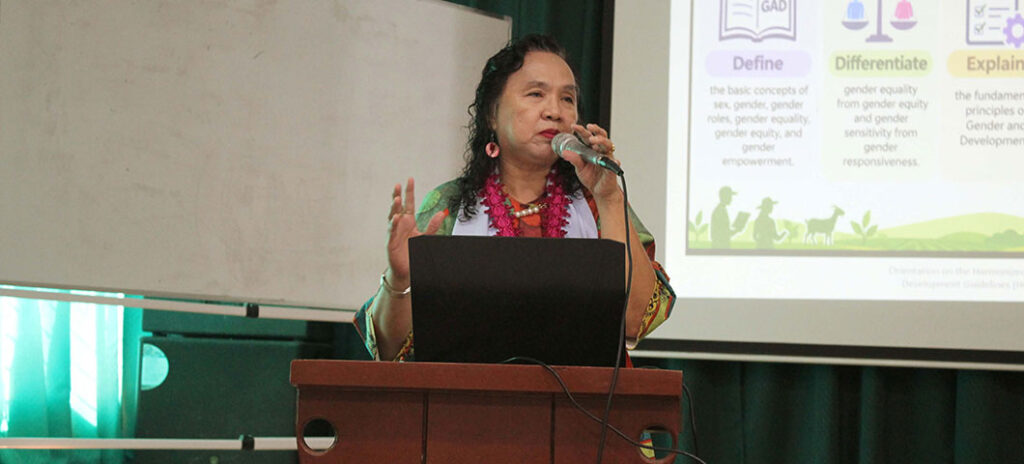
Dr. Josephine R. Migalbin, Retired Professor VI from the CA, served as the resource person for the training. Through a comprehensive lecture session, Dr. Migalbin detailed the purpose, key concepts, components, and scoring system of the HGDG tool, as well as the practical application of its checklists to assess and improve the gender responsiveness of research and extension initiatives.
“According to RA 9710 (the Magna Carta of Women), we need to ensure that gender mainstreaming is integrated into our institutional programs, projects, and budgets so that our research and extension initiatives address the distinct needs of both women and men,” Dr. Migalbin added.
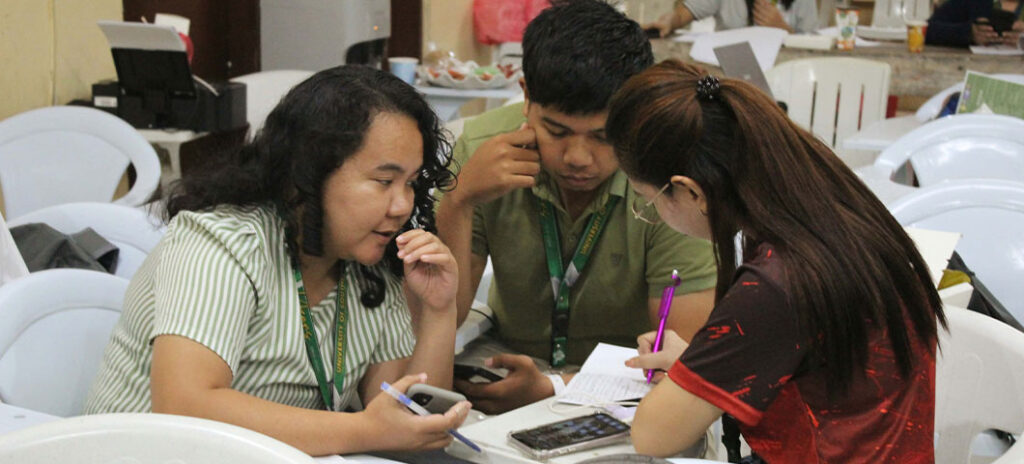
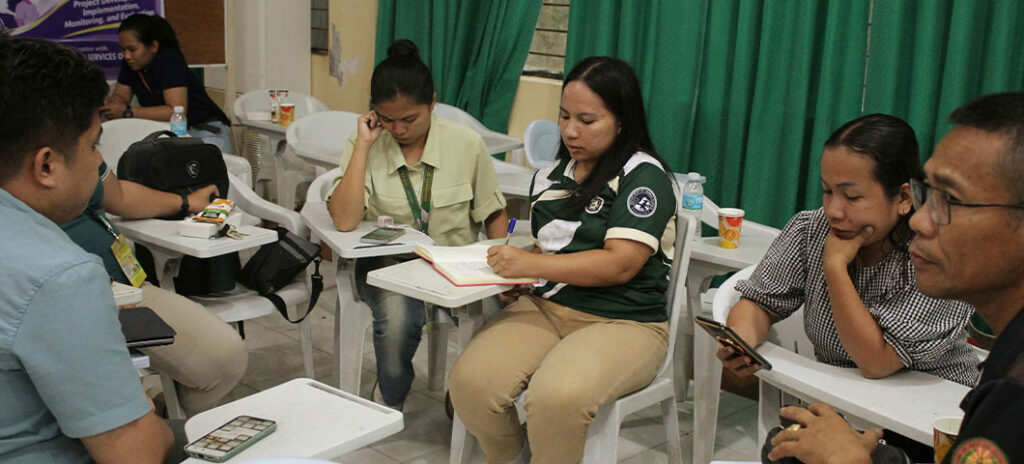
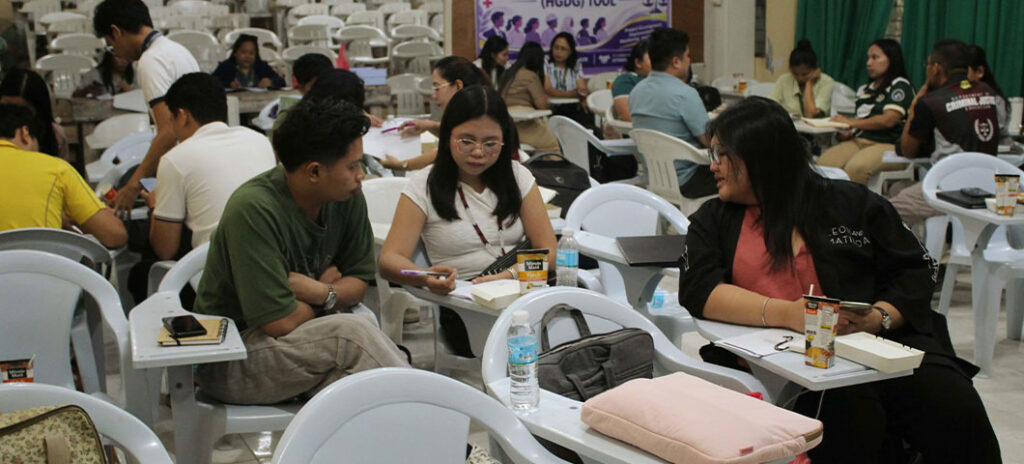
The lecture session was followed by a workshop tasking participants with identifying gender issues and gaps based on given scenarios. Participants then formulated recommendations to ensure that future proposals are gender-responsive.
Concluding the training, Dr. Migalbin evaluated the participants’ outputs to ensure accuracy in applying the HGDG checklists and alignment with institutional gender-mainstreaming standards.
The training capacitated 24 participants from across various research centers and extension clusters of the Research, Development and Extension (RDE) Unit. Strategically inviting newly hired researchers and extensionists under the Revised Organization and Staffing Standards (ROSS) II, the training served as a vital platform that will empower them to translate national GAD mandates into equitable, community-centered initiatives.