USM Brings Business Experts to Cuyapon to Empower Maguindanaon Local Producers via CBDEM Delicacies Phase III Project
July 8, 2026
Start of Classes for the First Semester, A.Y. 2026-2027
July 9, 2026
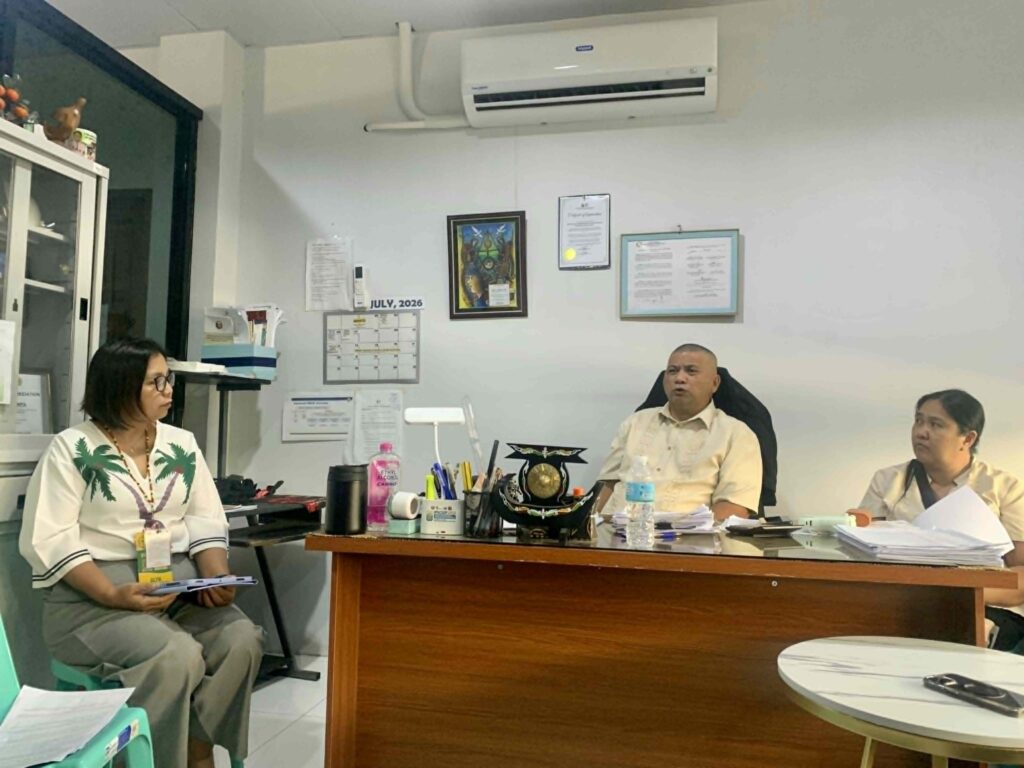
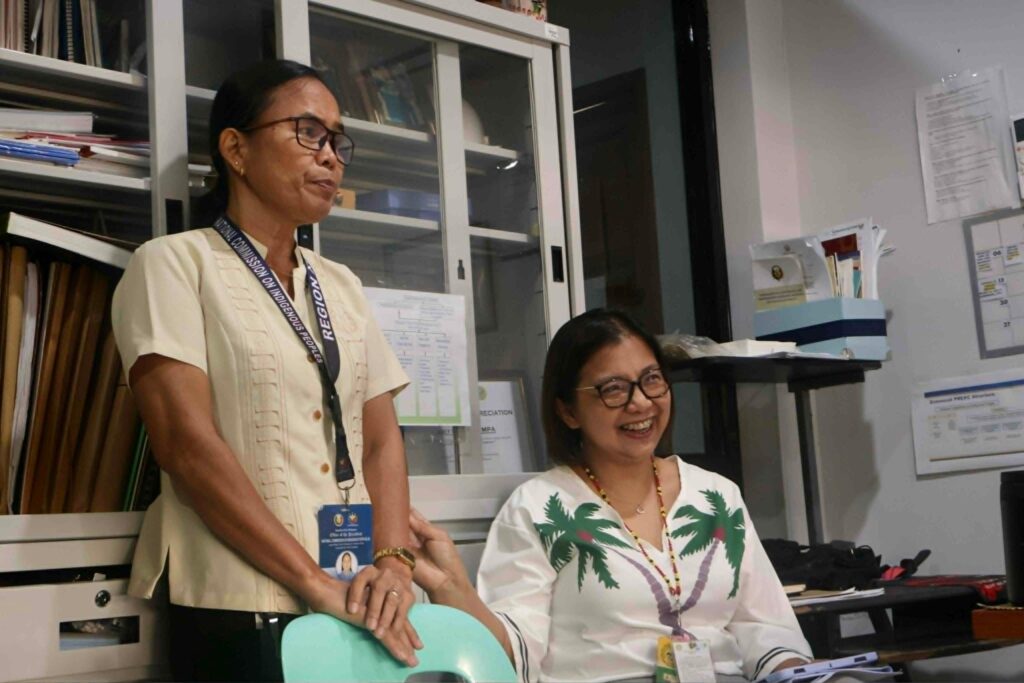
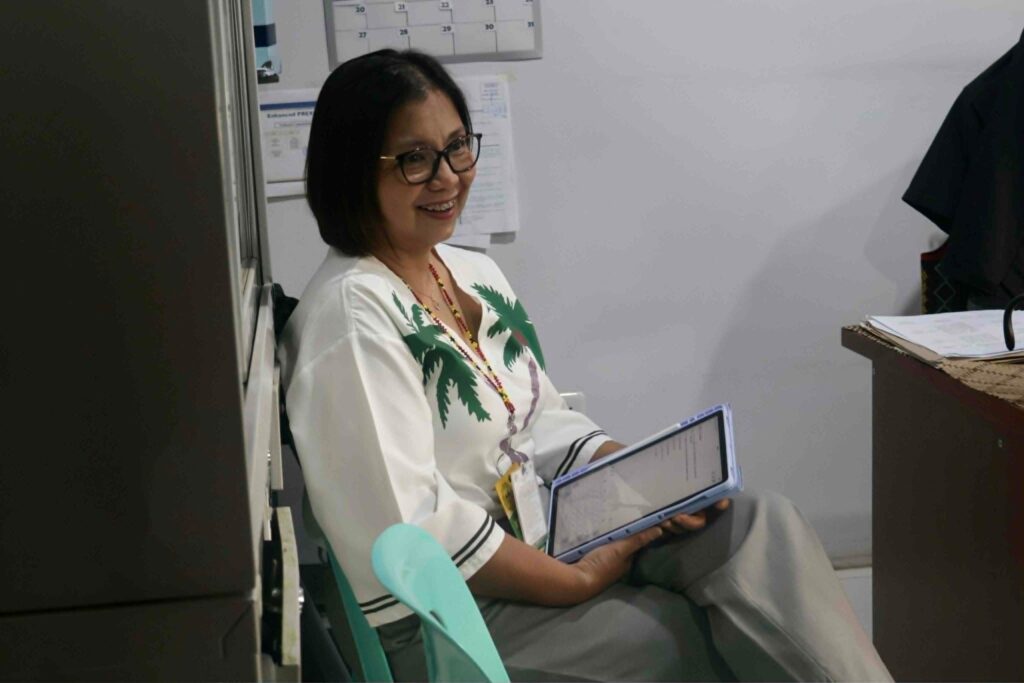
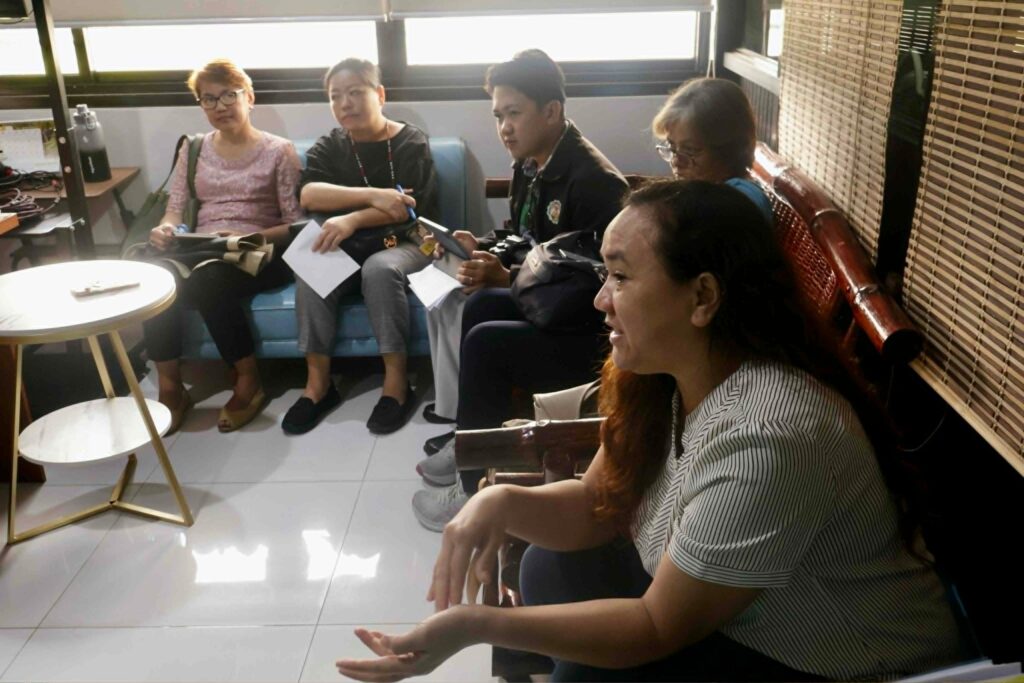
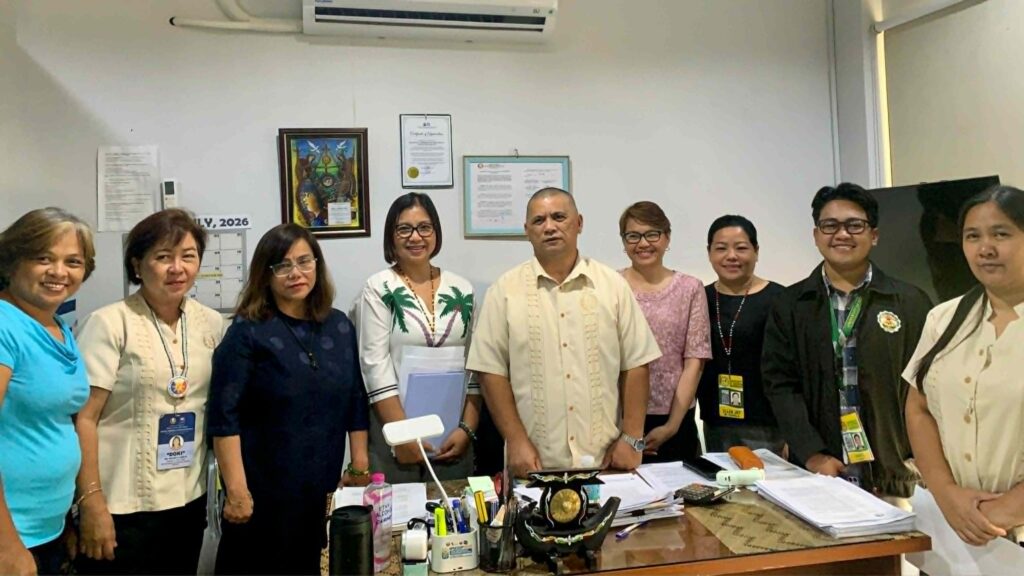
KORONADAL CITY — In a continued effort to ethically implement interventions and gather data from target Indigenous Peoples (IP) communities, the University of Southern Mindanao (USM) Extension Services Office (ESO) convened with the National Commission on Indigenous Peoples (NCIP) XII on July 7, 2026, in Koronadal City, South Cotabato, to seek institutional approval and expertise.
Prior to the meeting, the ESO team mapped out specific, tailored interventions needed by the target beneficiaries in Magpet, Cotabato. This aligns with the United Nations Development Programme (UNDP)- Project I-LEAD (Indigenous Women and Girls — Leadership and Empowerment in Ancestral Domains) in partnership with USM.
“When we came to the community and identified the enterprise potential of the local soft broom production, we considered including this under the Low-Value Grant (LVG), where the community will submit a proposal and the UNDP will support its fulfillment,” a UNDP representative stated.
An LVG is a cash award provided to non-governmental partners to help implement development solutions. It supports communities by helping them purchase equipment, providing specialized training, restoring small-scale infrastructure, or launching livelihood and environmental programs.
The meeting then transitioned into a strategic discussion with NCIP XII to identify Indigenous Peoples Education (IPEd) schools within Geographically Isolated and Disadvantaged Areas (GIDA). This identification serves as a fundamental step in a research project’s data collection, ensuring comprehensive and inclusive field mapping. To guide this process, NCIP XII Director Joey L. Bogay suggested specific areas ideal for the upcoming data collection phase.
“I would suggest na may pupuntahan kayong IP community for each province. You may go to Magpet, Maitum, and Tulunan,” Director Bogay stated.
With the office seeking clearance to gather data from these communities, ESO Director Glyn B. Gabano-Magbanua presented the general objective of the research: to establish a centralized repository for indigenous languages to ensure accurate and reliable linguistic records.
“Nakita po kasi namin ‘yung gap na minsan hindi accurate at magkakapareho ‘yung mga itinuturo sa mga schools. Kaya po ginagawa namin ito para sana magkaroon ng repositories na sooner ay magagamit ng mga tao lalo na ng mga bata sa IP communities,” explained Director Magbanua.
As the meeting concluded, NCIP XII Director Bogay emphasized the importance of protecting the cultural privacy of the IP communities, prompting the team to suggest defining clear boundaries and operational scopes during data collection procedures. He also highlighted the need for compliance with Free, Prior, and Informed Consent (FPIC) and translating Memorandums of Understanding (MOUs) into the preferred languages of the partner communities to maintain complete transparency.
Armed with a clearer understanding of these specific ethical and operational standards, the ESO is now preparing to comply with the documentary requirements set by NCIP XII to move forward with project implementation and data collection. This underscored the university’s efforts to foster respectful, empowering, and culturally sensitive collaborations that safeguard indigenous knowledge while driving sustainable community development.