The NEXTPLAY 2026 Concludes; DORSU to Host 2027 Edition
November 26, 2026
USM Earns SSS Award for Sustained Partnership
November 27, 2026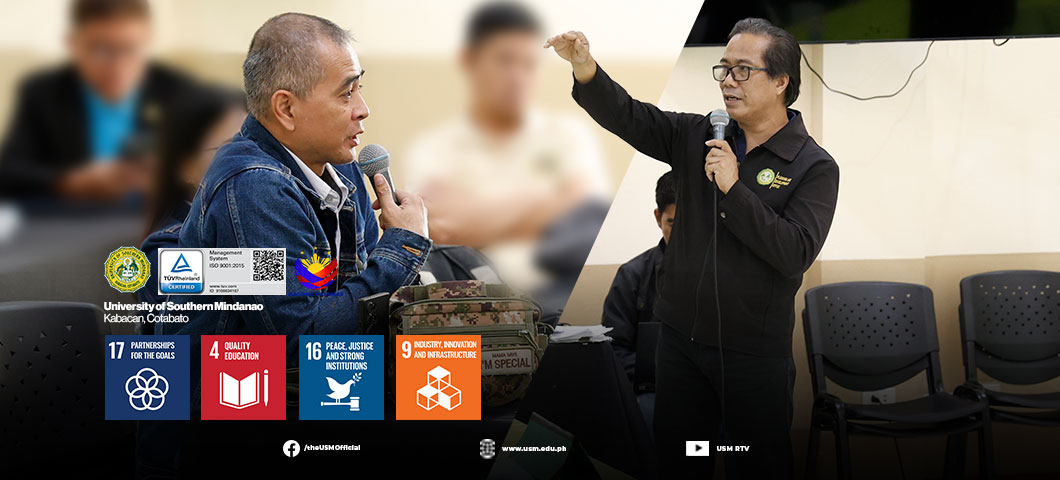
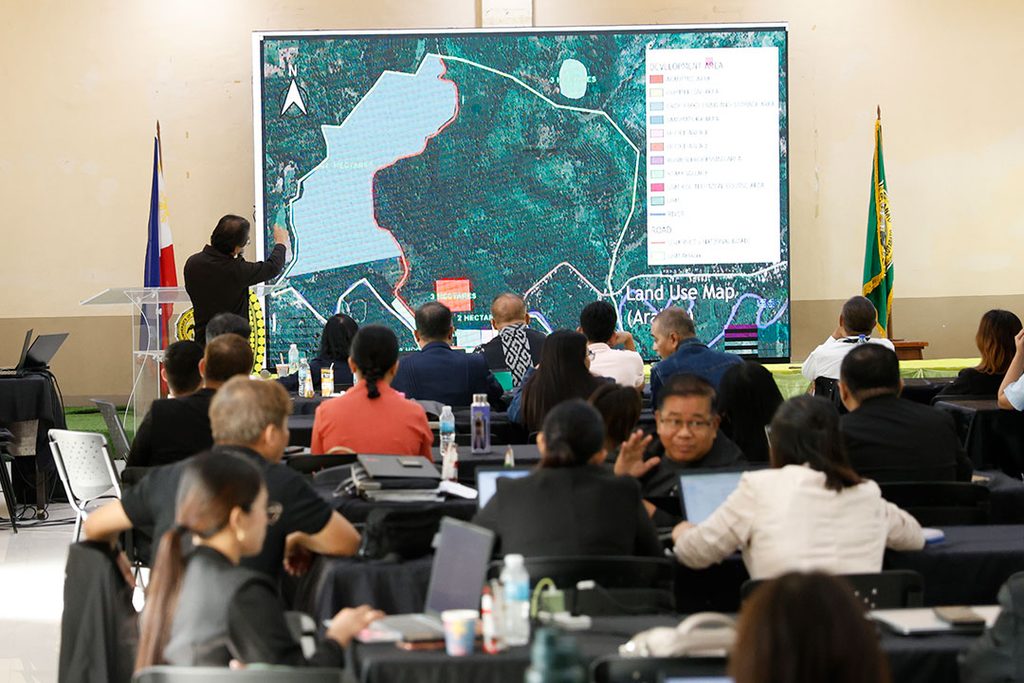
The University of Southern Mindanao (USM) presented its priority programs, projects, and activities (PPAs) to university and community stakeholders to align its Land Use Development and Infrastructure Plan (LUDIP) 2022–2031 with its proposed priority investments for Fiscal Year 2028.
Planning and Development Office Director Engr. Renel M. Alucilja led the presentation, outlining the University’s proposed investments and 10 priority projects toward its goal of becoming a premier research and development center in the region.
The proposed projects include the completion of ongoing building construction, installation of street lighting and energization of critical structures, construction of new academic and support facilities, development of solar power infrastructure, and rehabilitation of existing university buildings.
Engr. Alucilja also discussed land use plans for the main and extension campuses, including requirements for water supply, power distribution, and other infrastructure. The proposed investments fall under two major priorities: strengthening the University’s academic core and advancing research and extension. These priorities will guide the selection of projects for inclusion in the FY 2028 budget proposal.
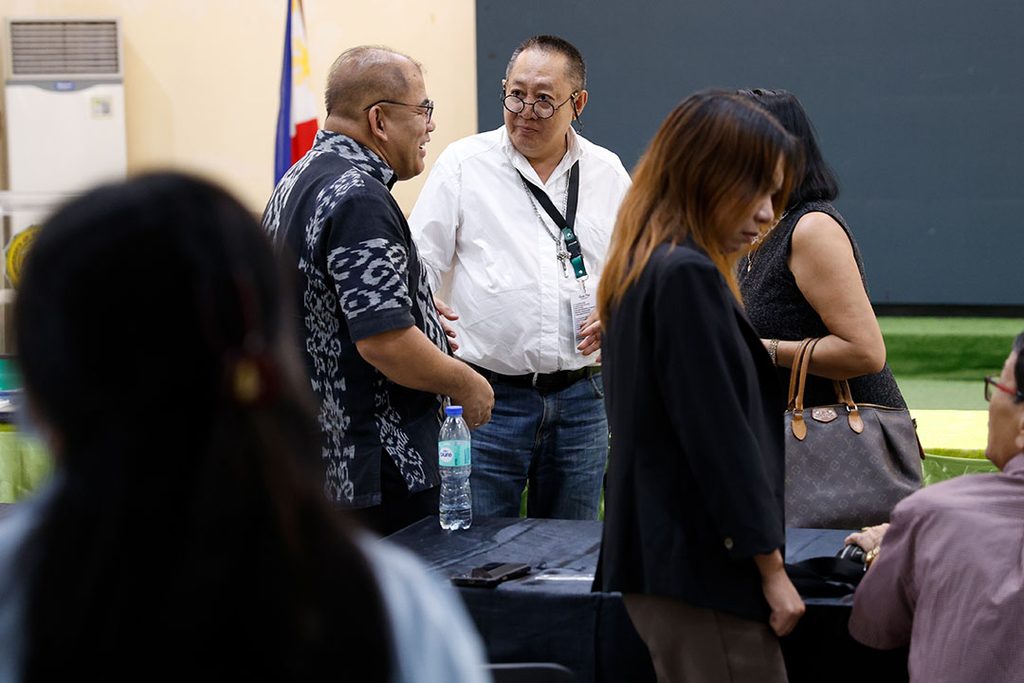
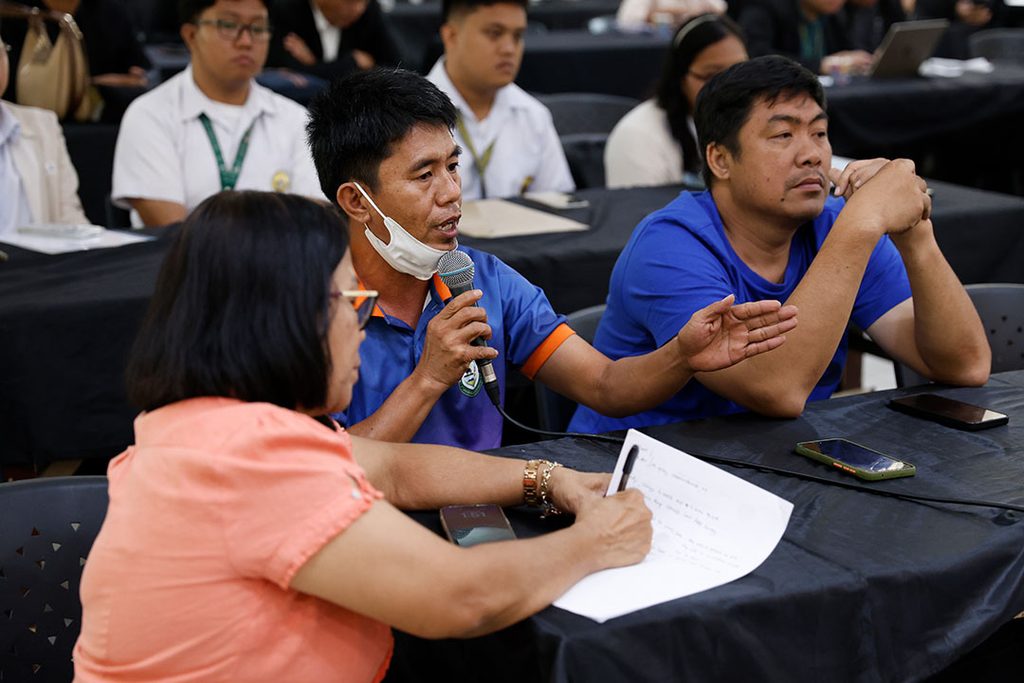
The presentation was attended by Dr. Palasig Ampang, representing Governor Emmylou T. Mendoza; representatives from the local government units of Antipas, Kabacan, and Libungan; the Kabacan Water District; student representatives from USM Main Campus and USM Libungan; Student Regent Muhajar D. Samad; Faculty Regent Engr. Willie Jones B. Saliling; and representatives of the University’s alumni, faculty, and staff.
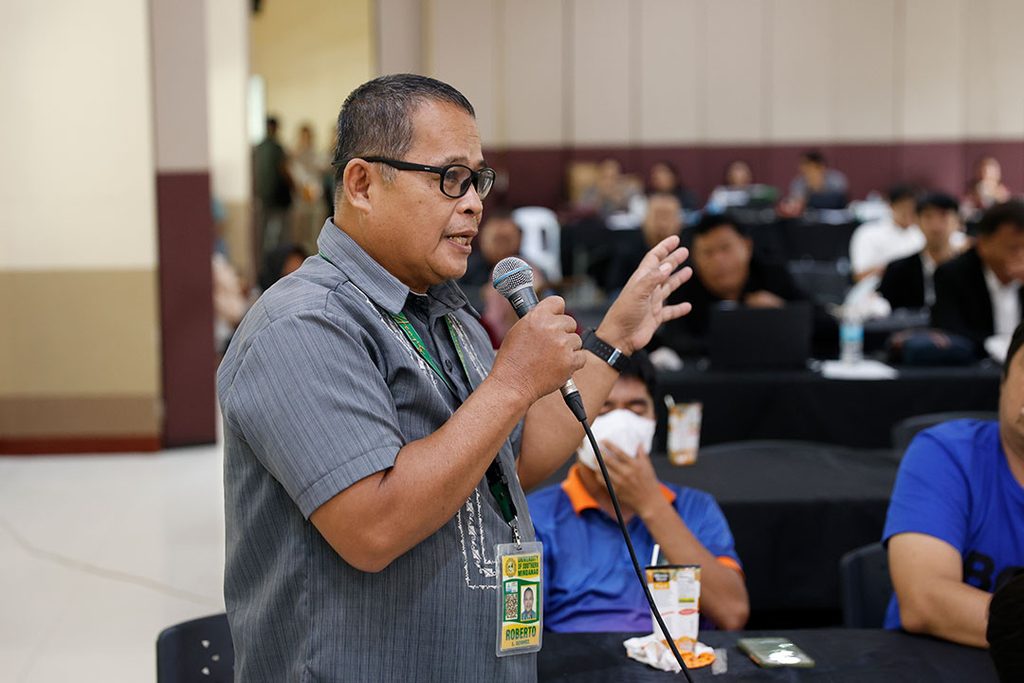
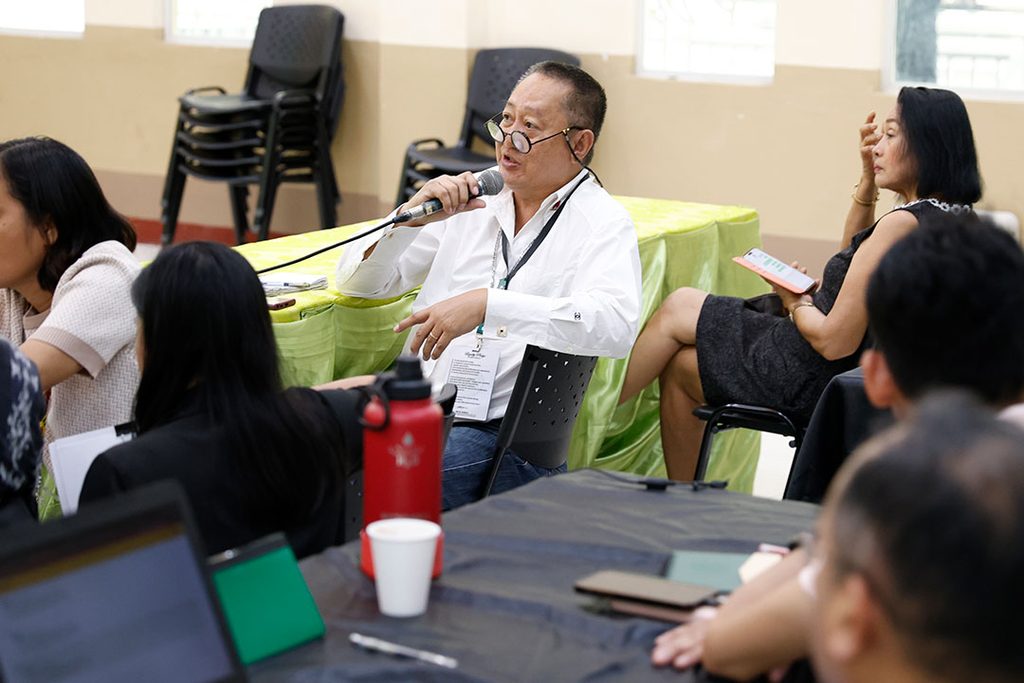
Engr. Gil Dureza, a USM alumnus and member of the Provincial Investment Committee, also shared his inputs on the proposed investments during the discussion.
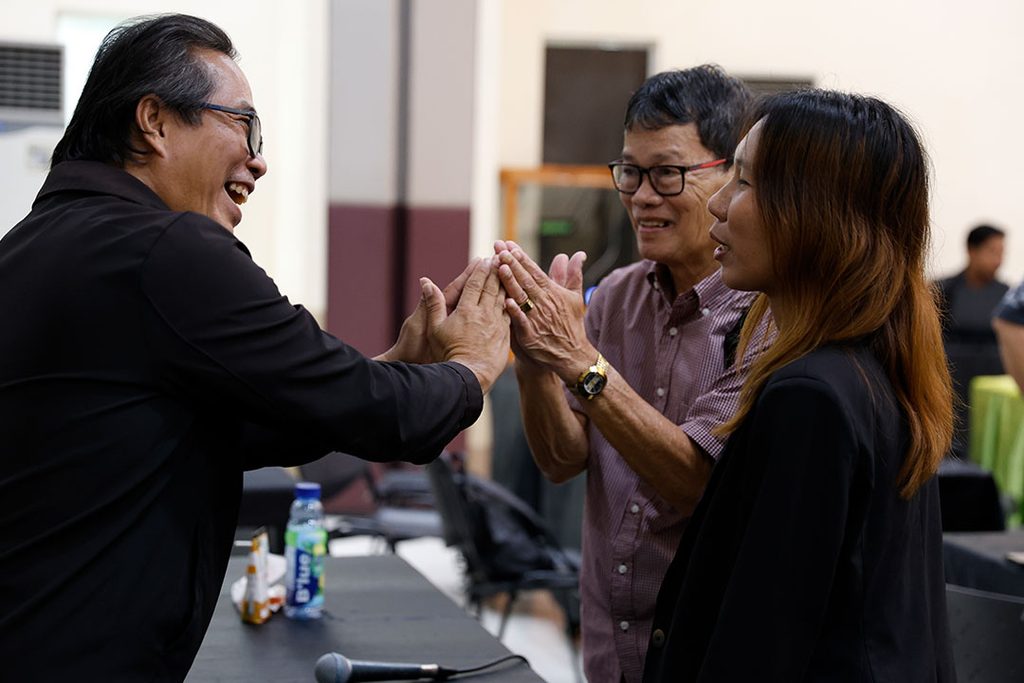
Stakeholders’ comments and suggestions will be considered in identifying the PPAs that respond to the University’s requirements and the development needs of its partner communities.