ESO, SCPYDO, SCYVO Hold 2nd Wave of Relief Outreach in Sarangani; Extend Help to Malapatan, Glan Earthquake Survivors
October 27, 2026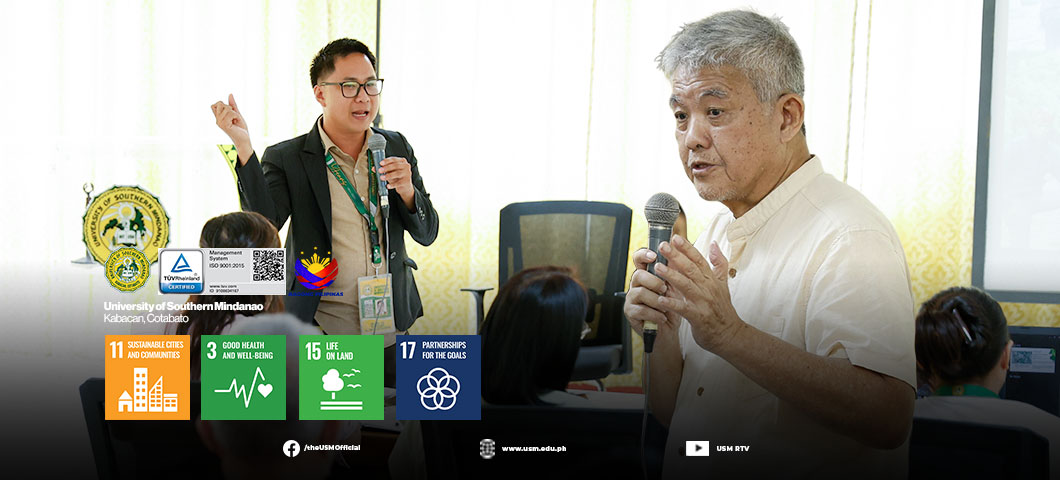
The University of Southern Mindanao (USM) and the Department of Science and Technology-Philippine Council for Health Research and Development (DOST-PCHRD) are exploring ways to document traditional healing practices and medicinal plant knowledge among indigenous communities.
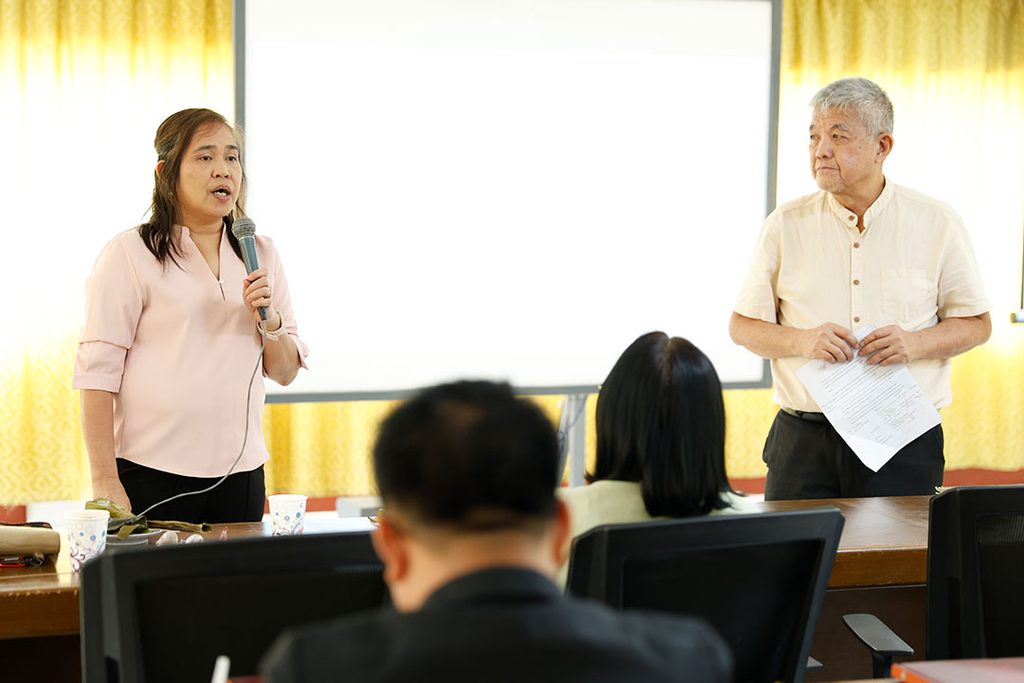
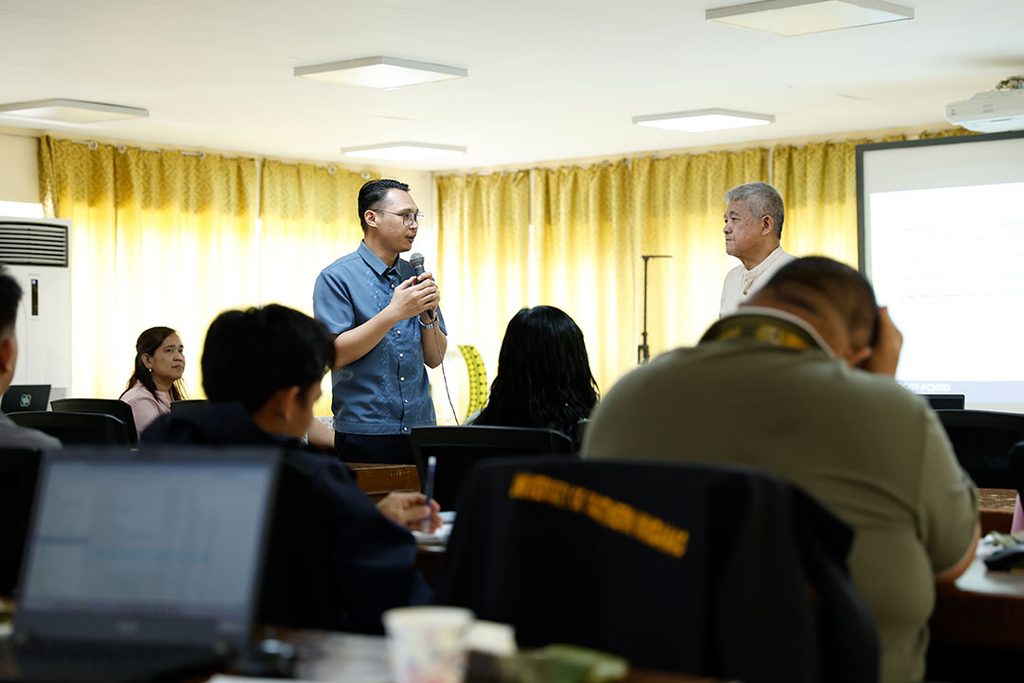
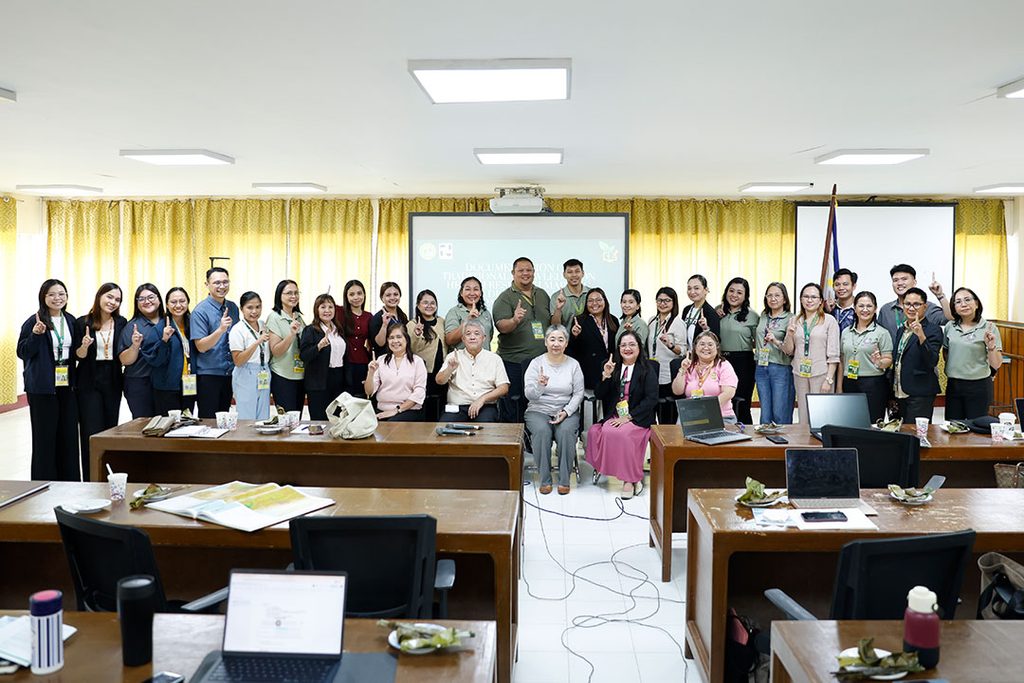
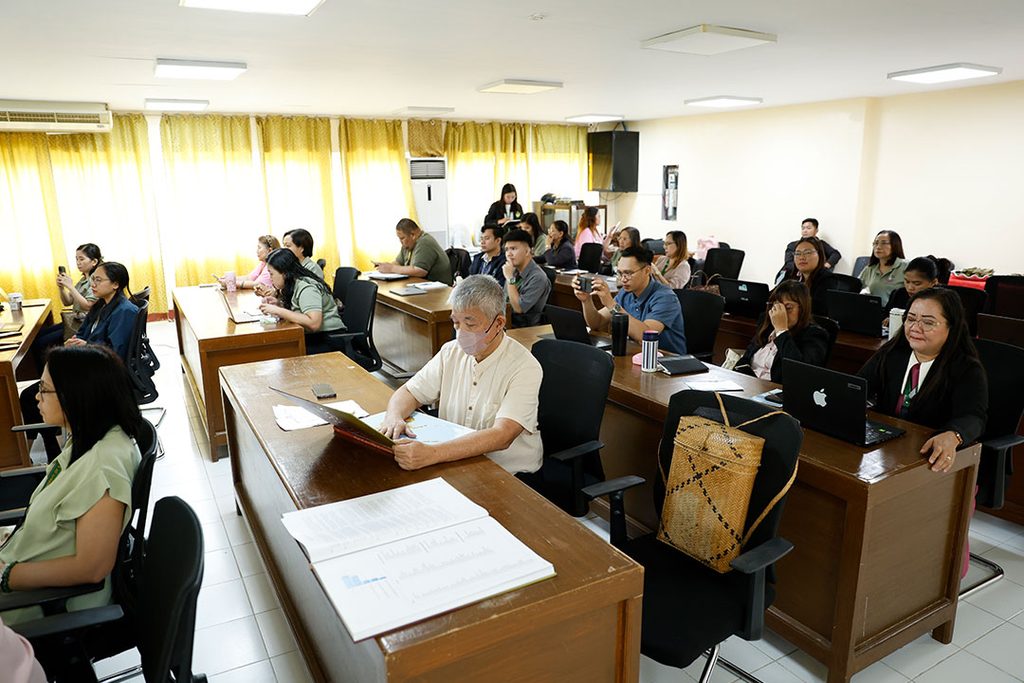
The discussion took place during a research mapping and partnership meeting on October 28, 2026, at the Skyroom, Administration Building, USM, Kabacan, Cotabato, where researchers looked at possible areas for collaboration and research proposals that may qualify for funding under the DOST-PCHRD Traditional Knowledge on Health Program.
For Prof. Lydia C. Pascual, head of the Health Innovations Center, the meeting opens an important avenue for USM researchers to study and document knowledge that communities have preserved through generations.
“I’m very grateful to DOST-PCHRD for the opportunity for this documentation of traditional knowledge on health research mapping and discussions for partnership,” Prof. Pascual said. “We are really very fortunate in USM since we are given this opportunity to do research on traditional knowledge.”
Dr. Isidro Sia, consultant for the Traditional Knowledge on Health Program, said USM’s experience in DOST-supported research, along with its work involving traditional knowledge and language, helped bring the university into consideration for the initiative.
“Our roots are important. It is good to maintain our connection to our roots, including our culture and traditions about health,” Dr. Sia said.
He noted that documenting traditional healing practices can help preserve cultural heritage while providing a foundation for further research into their possible applications in healthcare.
One of the presentations during the meeting was Mga Halamang Gamot ng Menubu Dulangan by Associate Professor Radji Macatabon, which featured medicinal plants and their traditional uses among the Menubu Dulangan community. The presentation highlighted the kind of community knowledge that may be documented and studied, subject to appropriate validation and safety assessment.
Ms. Maria Violeta Intia, supervising science research specialist of DOST-PCHRD, presented the council’s programs and services, including research funding, capacity building, scholarships and fellowships, and support for scientific publication and dissemination. Ms. Donavie D. Flores, project technical assistant, also discussed the Traditional Knowledge on Health Program, which seeks to document indigenous and local knowledge on health, illness, and healing through a digital repository.
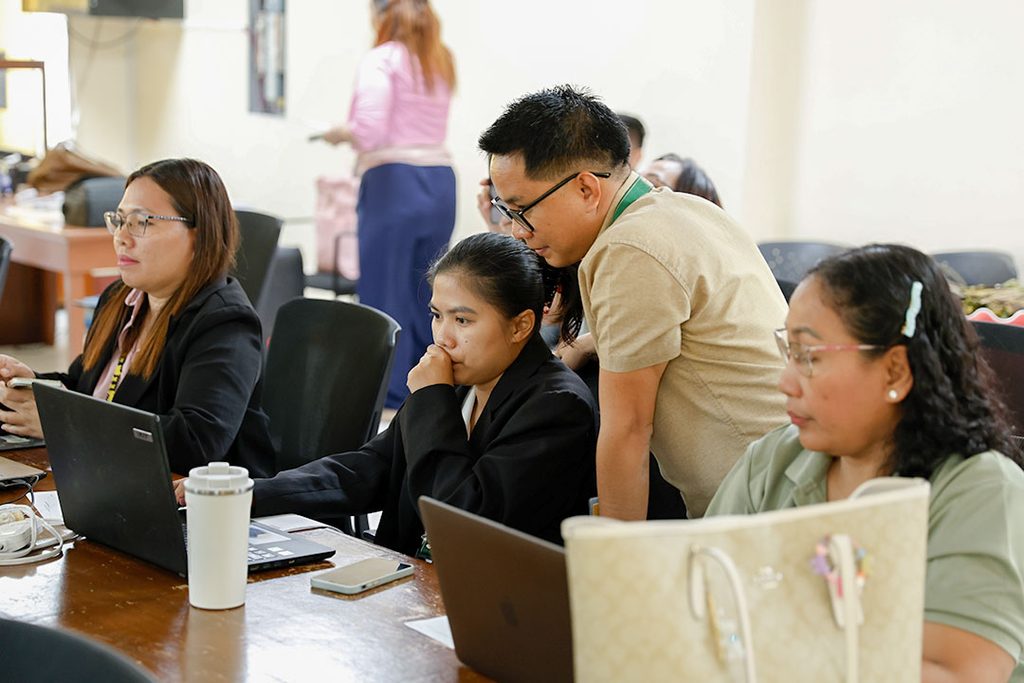
The participants also discussed how the documentation could be carried out at the community level, including medicinal plant identification, photographic documentation, community workshops, and the preparation of information materials in local dialects. They also went over research proposal requirements, ethics clearance, and the standardized documentation required for inclusion in the Philippine Traditional Knowledge Digital Library on Health.
Prof. Ma. Teodora N. Cabasan, head of the Research Unit, encouraged faculty members and researchers to take part by developing proposals for possible funding.
“We are very thankful that they are considering USM for this opportunity,” Prof. Cabasan said, noting the potential benefits of the research engagement for both the university and its faculty.
The proposed research projects will still have to go through the required submission, review, and evaluation processes before funding can be granted.
The meeting was organized through DOST-PCHRD and the Philippine Traditional Knowledge Digital Library on Health, with support from the Health Research and Development Consortium Region XII (HRDC XII).