USM Gives Cash Incentives to Three LET Topnotchers
June 29, 2026
LGU Tulunan Pays Courtesy Visit to USM
June 30, 2026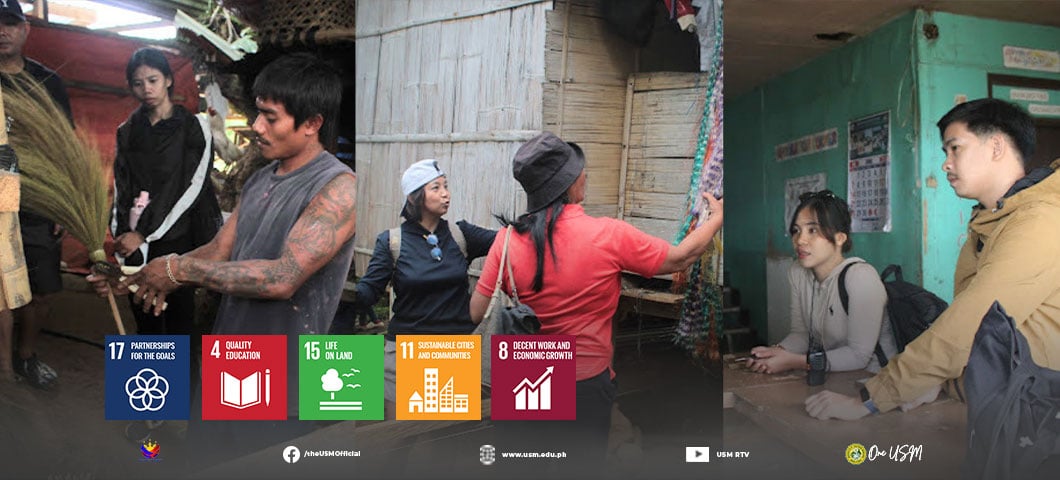
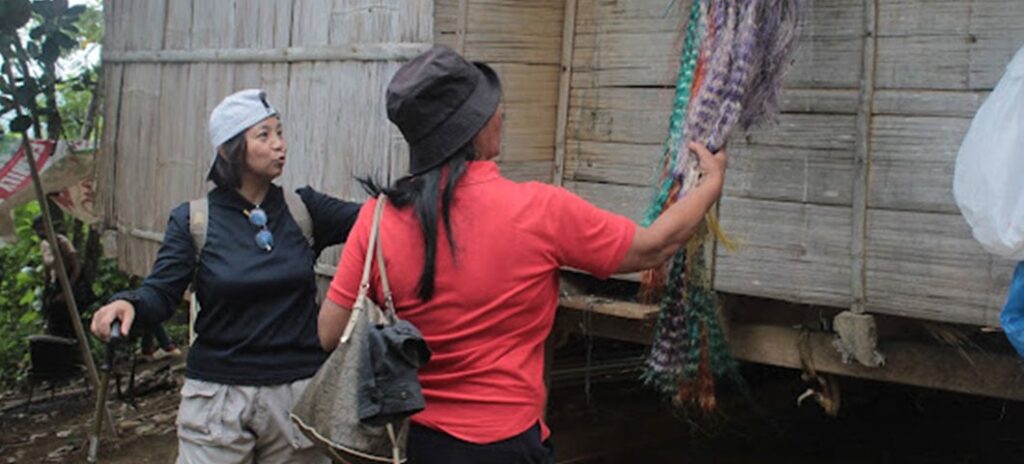
MAGPET, COTABATO—Following the project scoping and community needs assessment conducted in Brgy. Manobo, Magpet, Cotabato on June 26, 2026, the University of Southern Mindanao – Extension Services Office (USM-ESO) is set to propose extension projects aimed at developing local tourism sites, instilling a deep appreciation for Manobo culture through traditional weaving, and equipping community leaders with proposal-drafting skills.
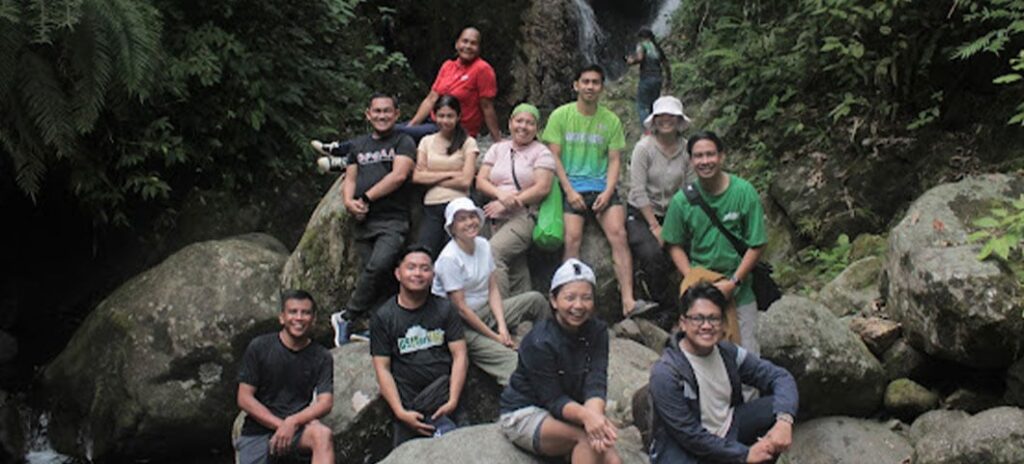
The twofold activity was spearheaded by ESO Director Glyn B. Gabano-Magbanua alongside Unit Heads Florence Roy P. Salvaña (Extension) and Anamarie B. Uyangurin (Monitoring and Impact Assessment). They were joined by Rahima A. Cabunto (EPS I), Ritchel O. Torres (TS II), Aldrin I. Sanama (EPS I), Jimwell P. Pande (Extension Editor), Diether M. Barro (ESO Staff), Gauvin Adlaon (UQAO Staff), and VPRDE staff members Revin A. Casten and Florabelle Campos—all of whom are tasked with documenting the proceedings and crafting the proposals.
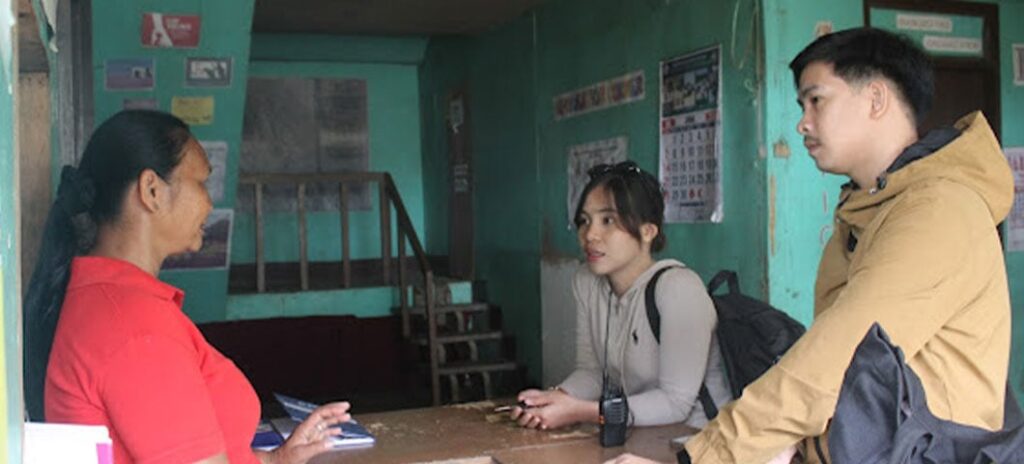
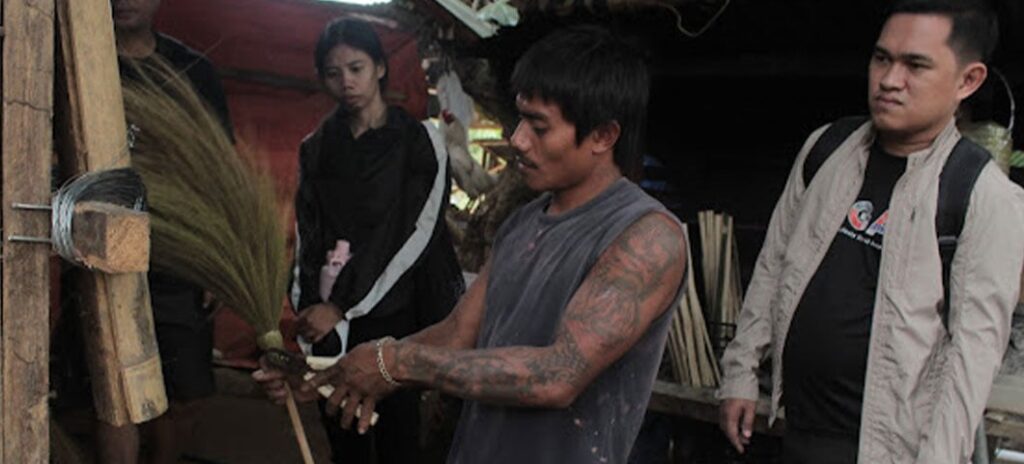
Kicking off the activities, the ESO team conducted a community needs assessment through a Key Informant Interview (KII) with local residents.
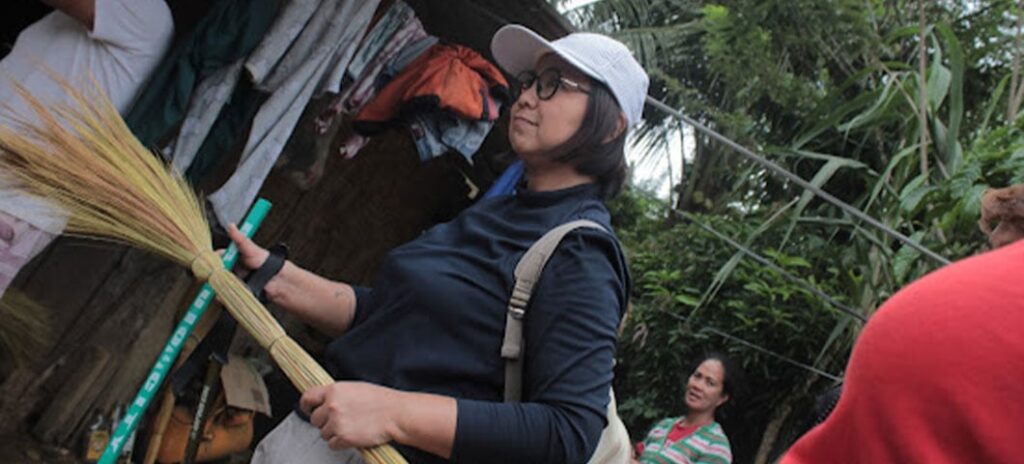
“Kami dito sa Manobo, kailangan namin ng mga machines para mapadali ang paggawa namin ng walis kasi mano-mano naming tinatahi, binibilad, at tinatanggal ‘yung bulaklak ng mga tahiti,” shared one of the locals.
While providing machinery falls outside the immediate scope of the Extension Services Office, the team strategically mapped out interventions to train community leaders in project proposal writing. This foundational skill aims to empower community members to formally request technical expertise and tap into potential external partnerships.
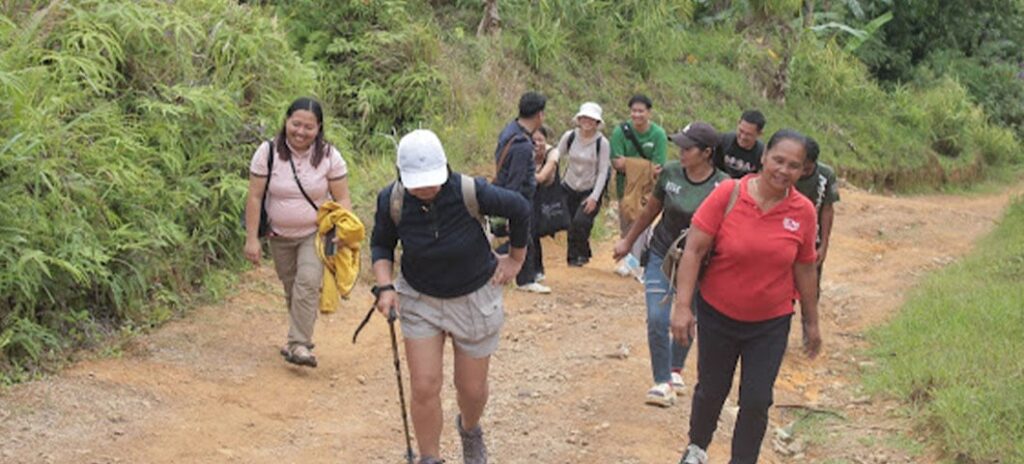
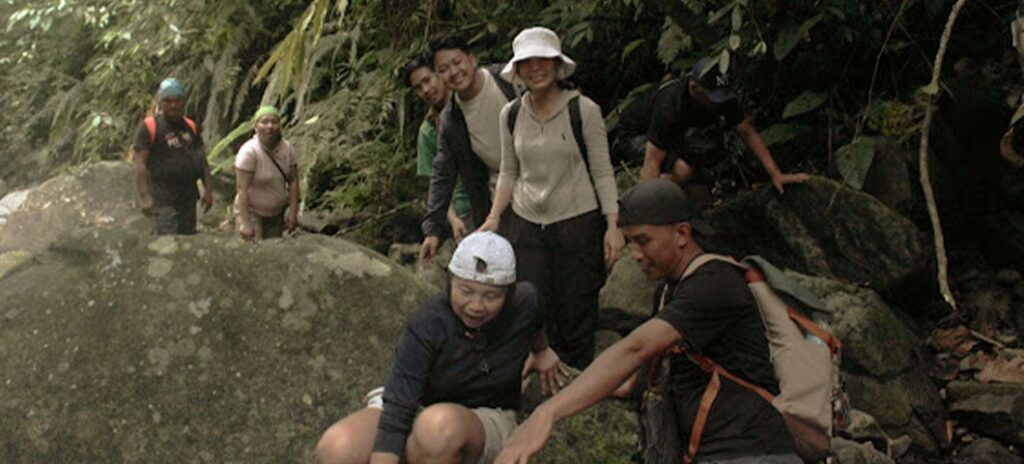
As the activity transitioned into project scoping, the team traversed the mountainous terrain of Brgy. Manobo to explore the potential of the community’s unique landscapes and natural resources.
“May nakita tayong pitcher plants, different varieties of bananas, efficascent plants na kung tawagin ng iba, and different types of flowers. Some of these resources need protection,” Unit Head Salvaña stated.
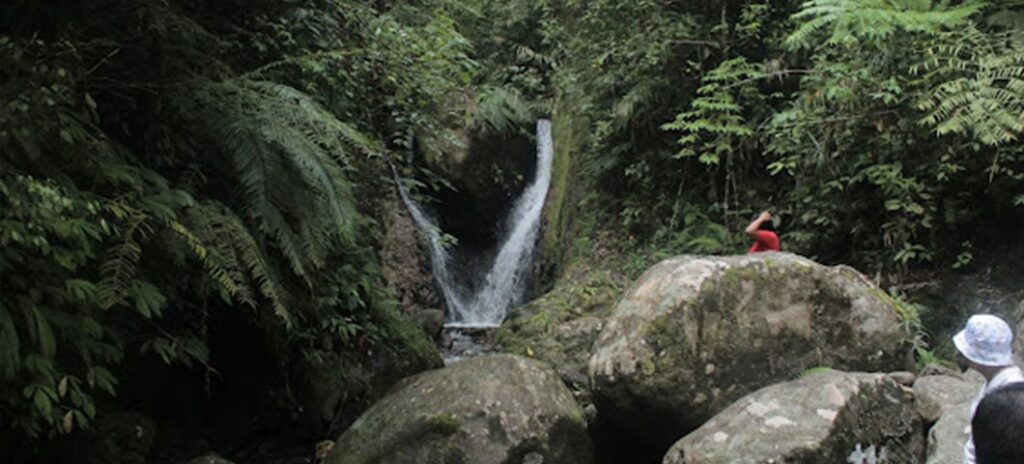
The project scoping concluded with the team successfully mapping a trail to a local waterfall. After gathering the necessary field data and documentation, ESO is now set to craft well-packaged interventions that directly address the problems of the community.
The successful conduct of the project scoping and community needs assessment underscores the office’s dedication to designing tailored, grassroots interventions. By directly engaging with the community and mapping its distinct natural resources and geographical landscape, ESO ensures that the upcoming interventions not only address ecological preservation and capacity building but also provide a vital socio-economic boost to local livelihoods, maximizing community impact through a unified, multifaceted approach.