
Agriculture Graduates Among Beneficiaries of LANDBANK’s AGRISENSO Plus Program Launched at USM
June 5, 2026
USM Hosts LandBank’s Launch of LIFTING MSMEs Program
June 9, 2026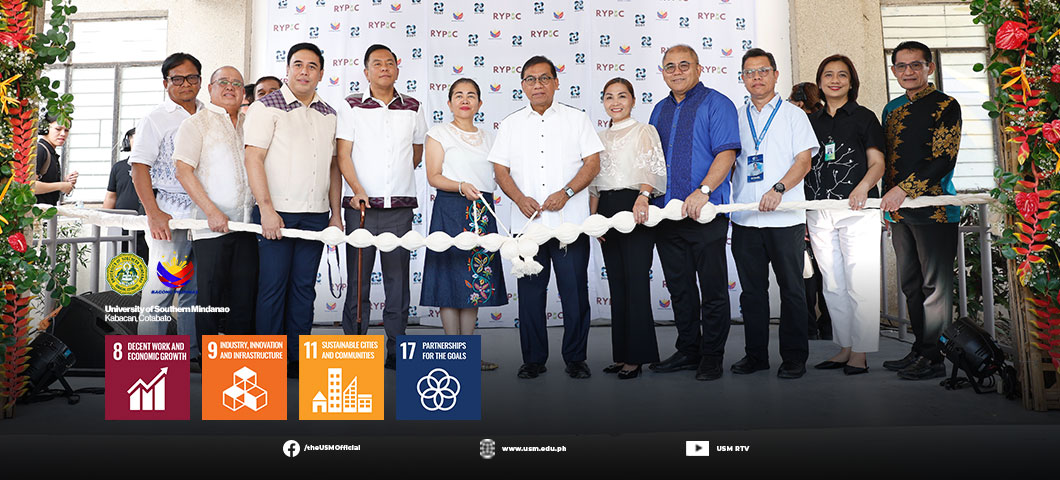
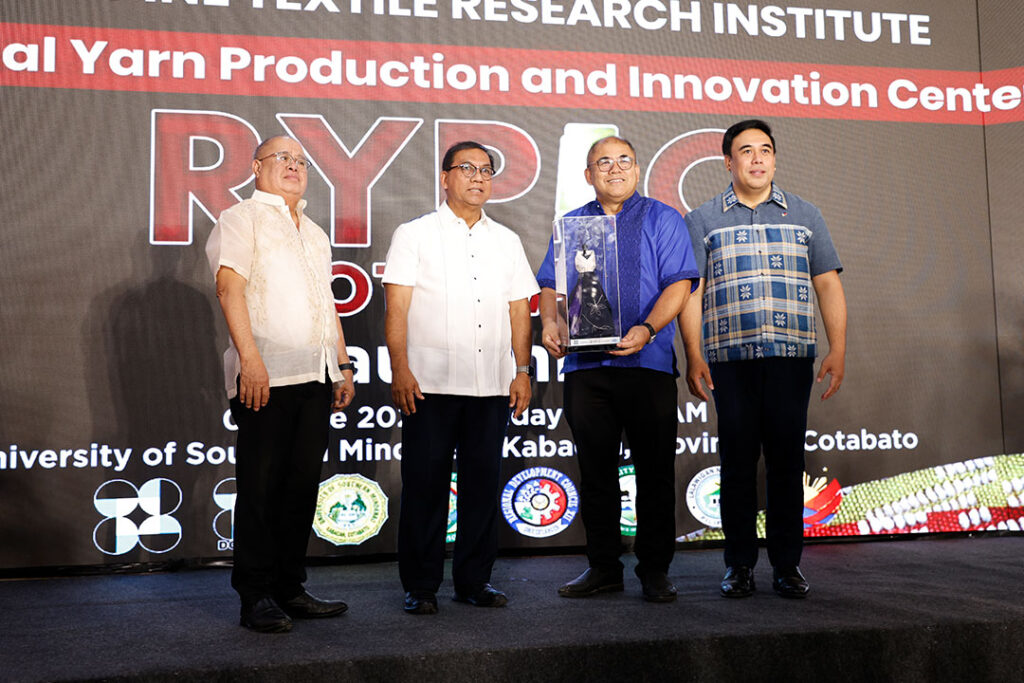
A new facility aimed at strengthening the country’s textile industry officially opened in Kabacan on June 5, 2026, as the Department of Science and Technology–Philippine Textile Research Institute (DOST-PTRI), the University of Southern Mindanao (USM), and partner institutions launched the Regional Yarn Production and Innovation Center (RYPIC)-Cotabato.
The center is the first of its kind in Mindanao and the fourth yarn production and innovation hub established in the Philippines.
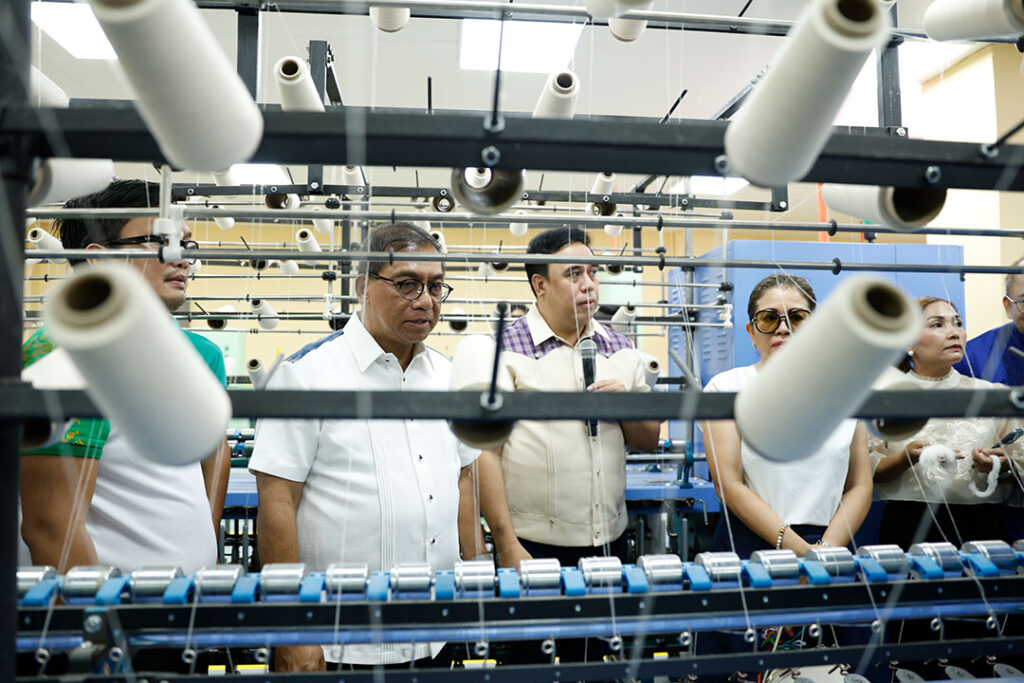
Located in Sitio Lumayong, Barangay Kayaga, Kabacan, Cotabato the facility will process natural fibers such as abaca, banana, pineapple, cotton, and bamboo into yarn for weaving and textile production. Once fully operational, it is expected to produce up to 40 metric tons of yarn annually to help meet the growing demand of the textile sector.
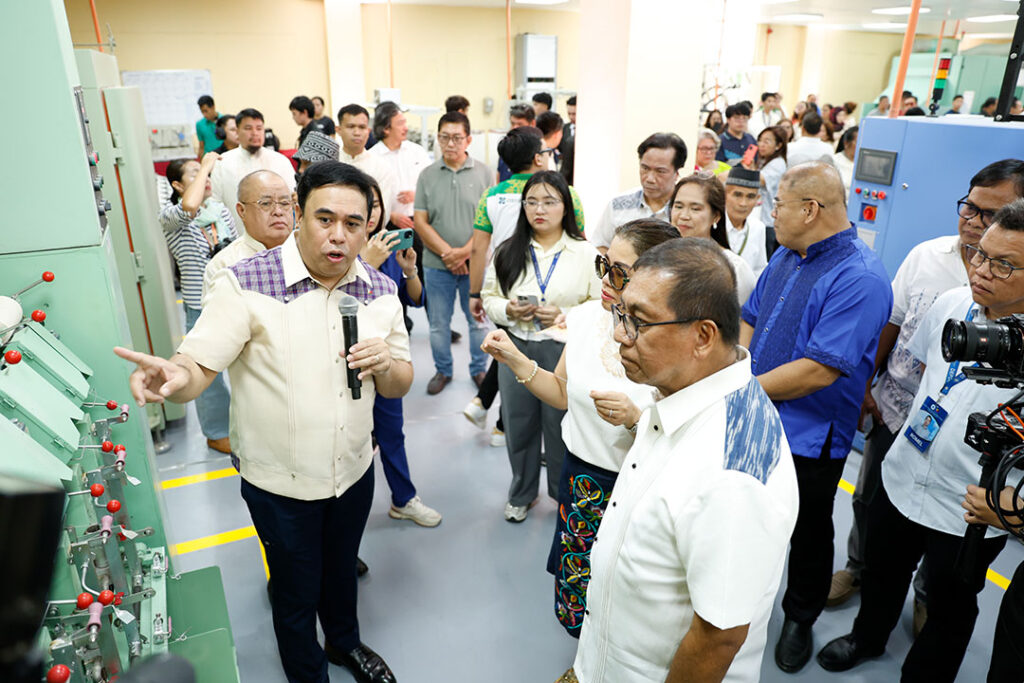
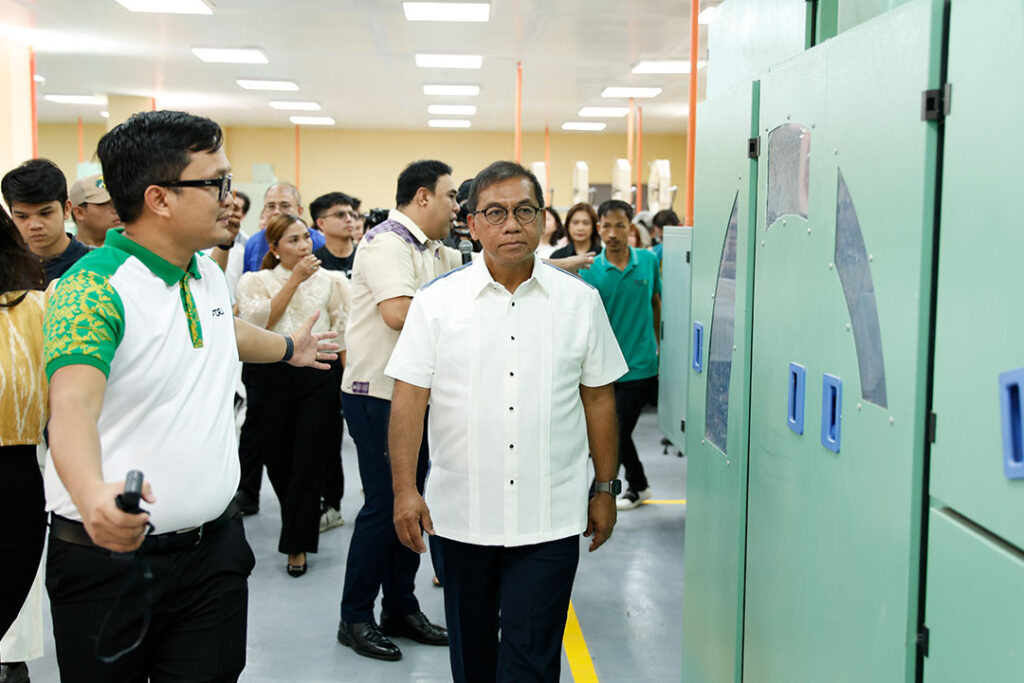
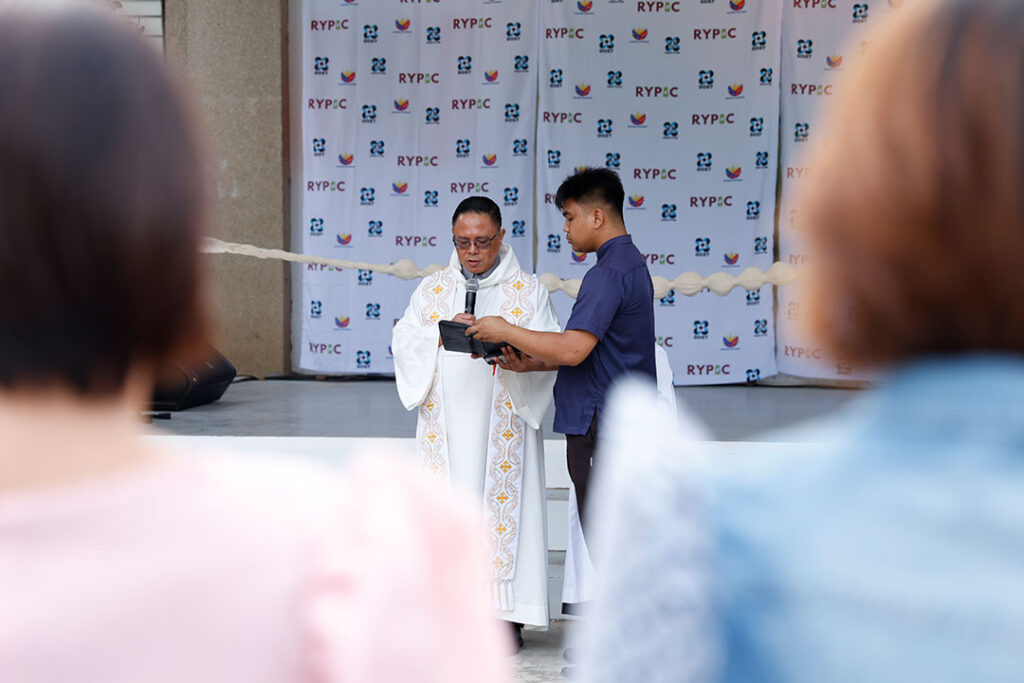
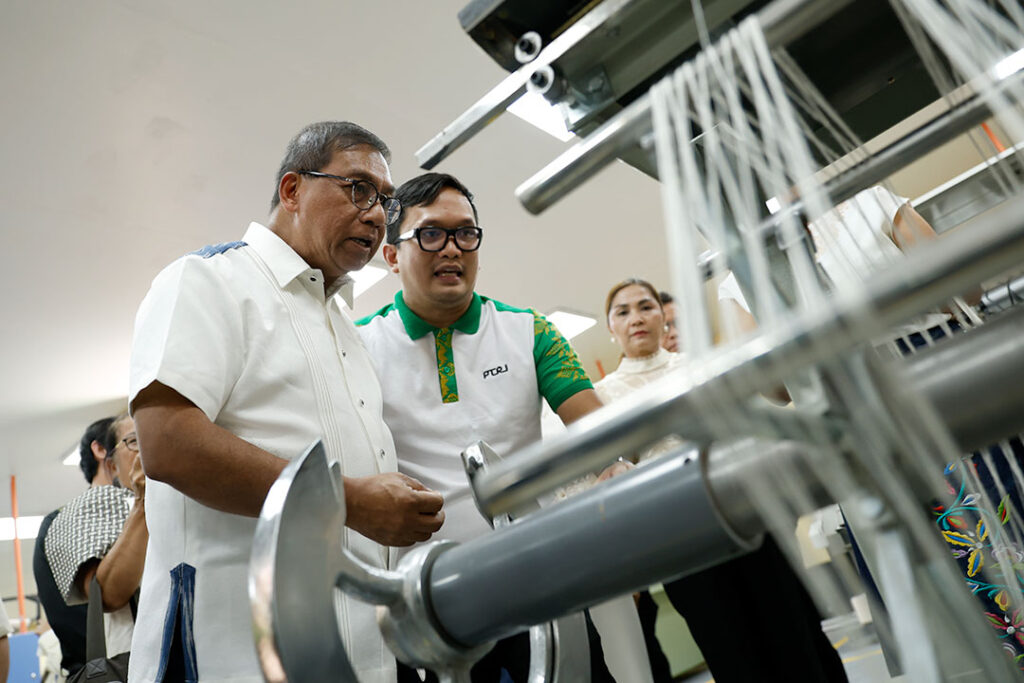
The launch began with a blessing, unveiling of the facility marker, and a tour of the center. Guests witnessed demonstrations showing how cotton is blended with fibers processed by Sultan Kudarat State University (SKSU) and how natural fibers are converted into yarn using specialized equipment.
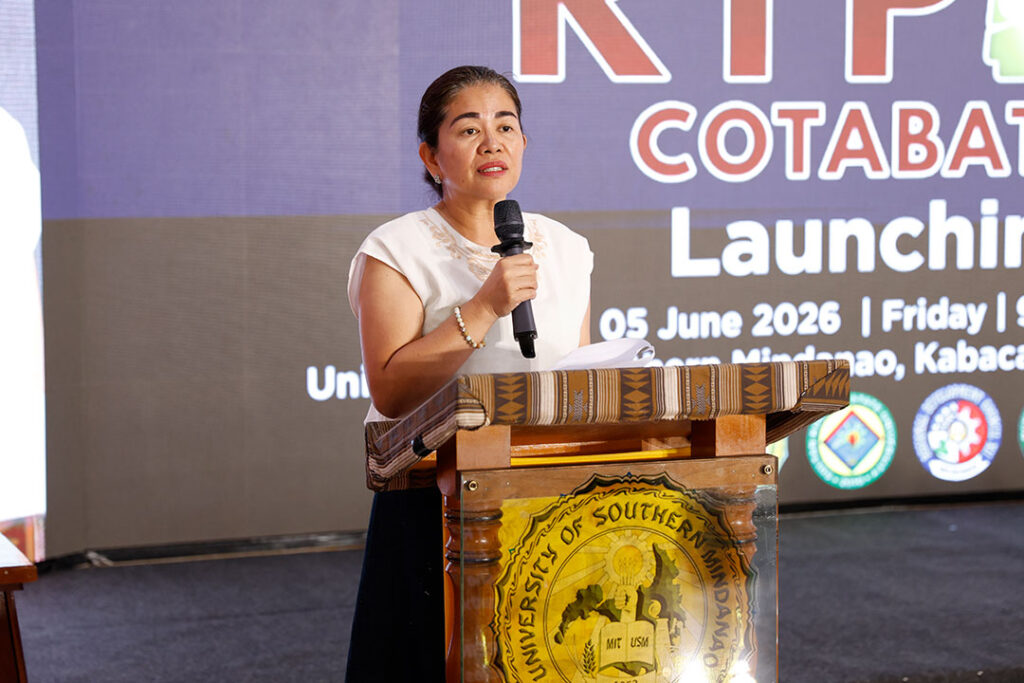
The opening program was later held at the USM Commercial Building and attended by officials from the Department of Science and Technology, local government units, academic institutions, and industry partners.
RYPIC-Cotabato operates under DOST-PTRI’s Fostering the Revitalization of Nascent Textile Innovation Ecosystems in the Region (FRONTIER) Program, an initiative that establishes regional hubs for natural fibers, yarn production, natural dyes, and weaving technologies across the country.
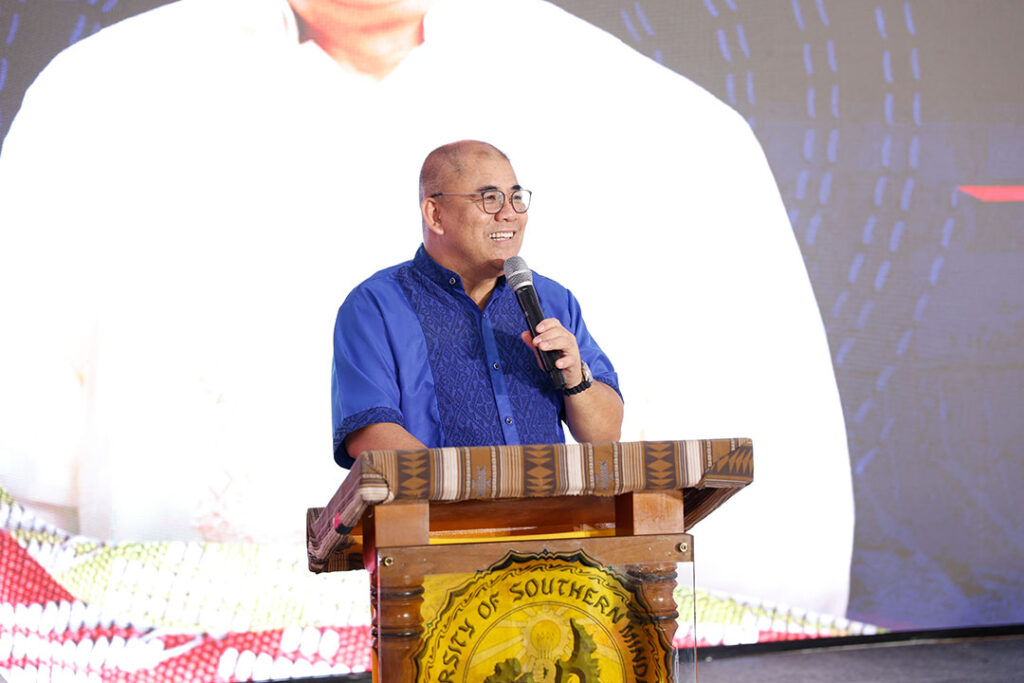
In his message, USM President Dr. Jonald L. Pimentel described the center as a long-awaited achievement for the university and its partners.
“May this center become a catalyst for innovation, a hub for research excellence, and a driving force in strengthening the competitiveness of our local fiber and textile industries. May this uplift the lives of different players in our community,” Pimentel said.
In his presentation, DOST-PTRI Director Dr. Julius L. Leaño Jr. explained that the FRONTIER Program seeks to build an interconnected textile industry by linking institutions involved in various stages of fiber processing and textile production.
“Ecosystem, po ang dine-develop natin. Hindi po tayo naglalagay lamang ng facilities. Facilities and machines are cold, they don’t have life. But an ecosystem has life. It evolves, it grows, and it nurtures,” Leaño said.
He noted that the program connects institutions such as SKSU, which handles fiber processing, with RYPIC-Cotabato, where the fibers are transformed into yarn.
Meanwhile, DOST Secretary Dr. Renato U. Solidum Jr. said the project is part of broader efforts to develop the textile industry as a source of jobs, livelihood opportunities, and economic growth. He emphasized that initiatives under the “Telang Pinoy” program aim to strengthen local industries while helping Philippine-made textile products compete in the global market.
Cotabato Governor Emmylou Taliño-Mendoza, Kabacan Mayor Evangeline Pascua-Guzman, DOST Region XII Director Engr. Sammy P. Malawan, USM President Dr. Jonald L. Pimentel, and SKSU President Dr. Samson L. Molao delivered their messages of commitment. They expressed support for initiatives that promote textile innovation, expand livelihood opportunities, and add value to locally sourced raw materials.
Support for the project was also conveyed by DOST Undersecretary Engr. Sancho A. Mabborang, Mindanao Development Authority Secretary Leo Tereso Magno, and Senator Loren Legarda, who underscored the importance of developing the country’s natural fiber and textile industries.
The center is headed by Dr. Lydia C. Pascual of USM and will serve not only as a production facility but also as a venue for training, technology transfer, and research on textile innovation.
Officials said RYPIC-Cotabato is expected to benefit farmers, fiber producers, weavers, designers, and micro, small, and medium enterprises by providing access to fiber processing and yarn production technologies. The facility is also seen as an opportunity to create higher-value products from locally available materials and support livelihood and enterprise development across Mindanao.