
USM Recognized at DOST-PCAARRD’s Search for Best R&D Papers
January 30, 2026
Medical and Dental Check-Up Schedule
February 3, 2026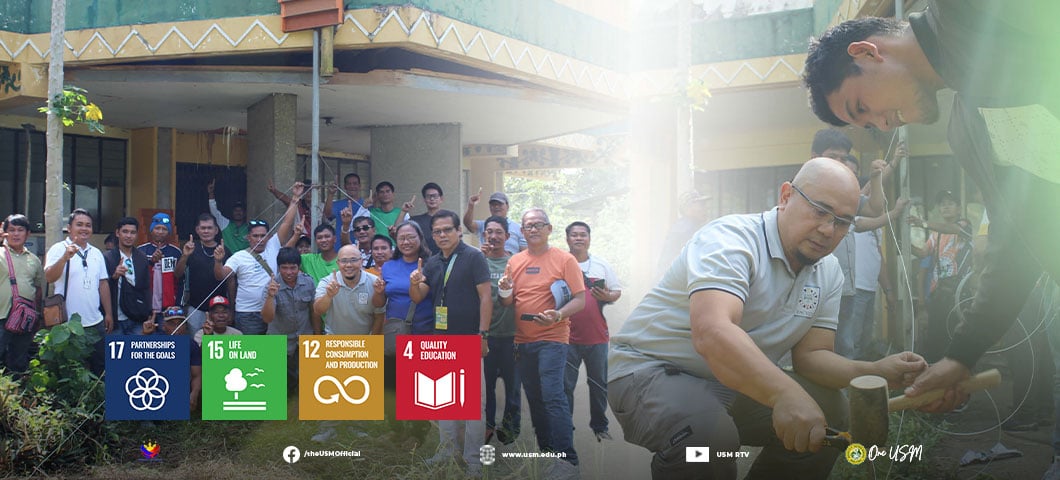
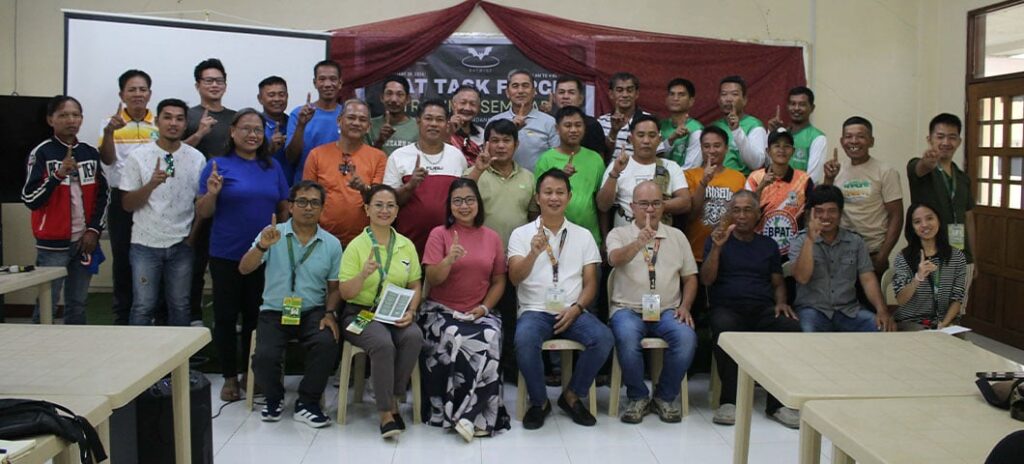
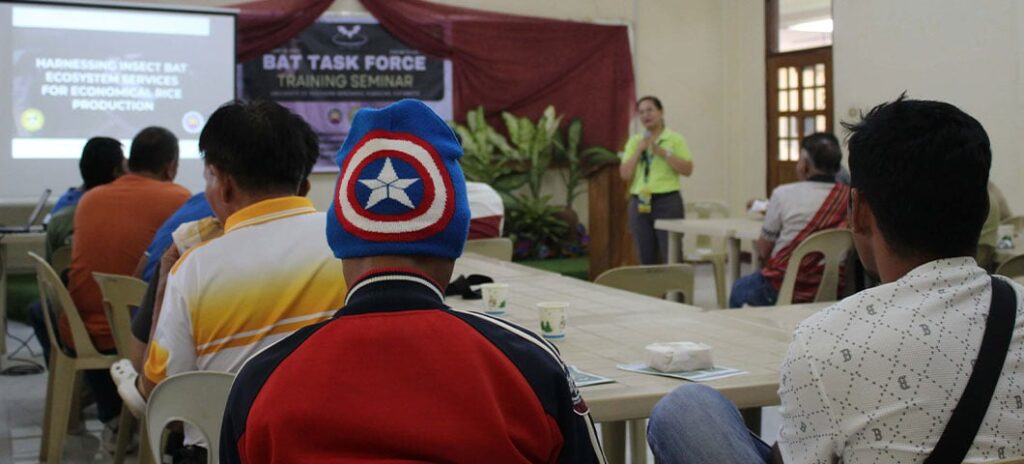
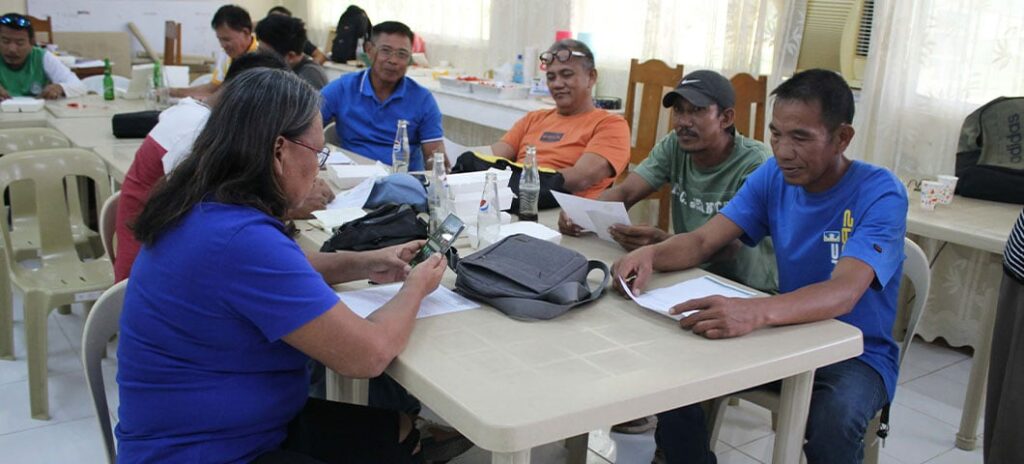
Kabacan, Cotabato— To effectively capacitate selected bat task force members from 10 barangays in Kabacan, the BatWISE Project Team of the University of Southern Mindanao (USM) conducted a training seminar on January 30, 2026, at the ESO Conference Room.
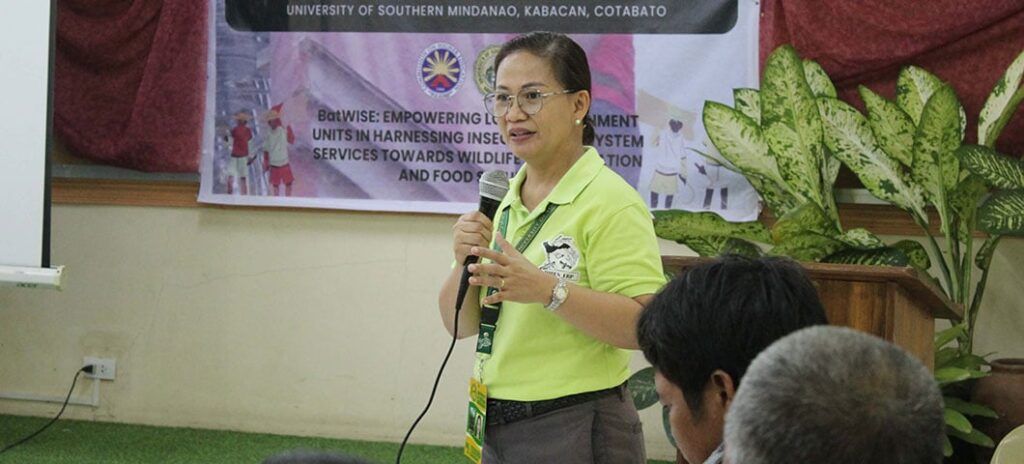
Titled “BatWISE: Empowering Local Government Units in Harnessing Insect Bat Ecosystem Services towards Wildlife Conservation and Food Security,” the training forms part of the BatWISE Project, headed by project leader John Aries G. Tabora along with component leaders Ma. Teodora N. Cabasan and Bernard M. Escarza. This initiative aims to champion wildlife conservation and food security by equipping participants with knowledge on bat ecosystem services, artificial habitat installation, and the legal frameworks governing wildlife protection.
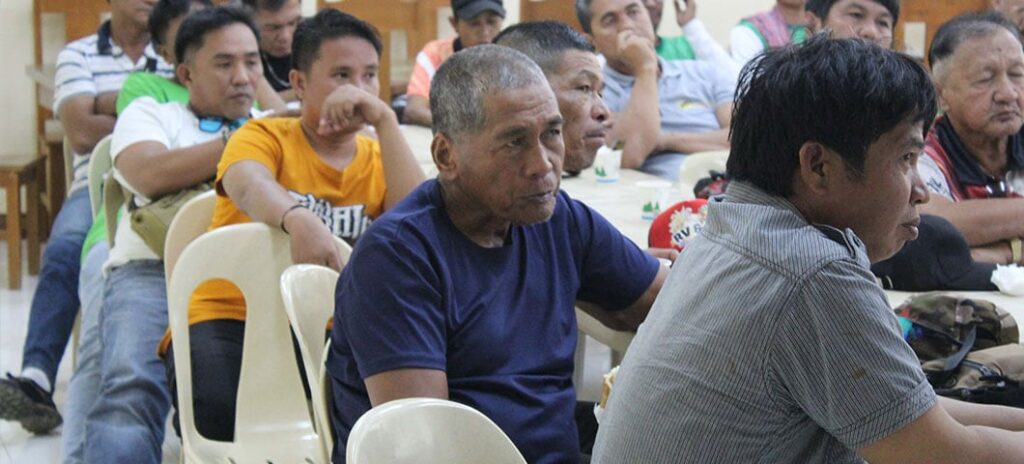
Kicking off the training, ESO Director Glyn B. Gabano-Magbanua welcomed the 25 participants from barangays Pisan, Bannawag, Upper Paatan, Lower Paatan, Poblacion, Aringay, Malanduage, Kilagasan, Kadidtuan, and Cuyapon.
“Magandang araw sa lahat. Nawa’y sa pamamagitan ng training na ito ay magkaroon kayo ng sapat na kaalaman sa mga papel ng mga paniki hindi lamang sa ating kapaligiran kundi pati na rin sa yumayabong na pananalikslik na may kaugnayan sa agriculture,” she stated.
Following the opening, Component Leader Cabasan explained the background of the BatWISE project and highlighted the strategic role of the bat task force in their respective communities.
“The BatWISE project started actually with so many trials and now that we already discovered something, we want it to introduce to the communities kung ano ‘yung mga na-develop namin for you to control ang pagdami ng bats and how can we use them in our farms. That’s why your role here as participants ay napakahalaga dahil kayo ang magsisilbing influencers ng communities ninyo,” Cabasan expressed.
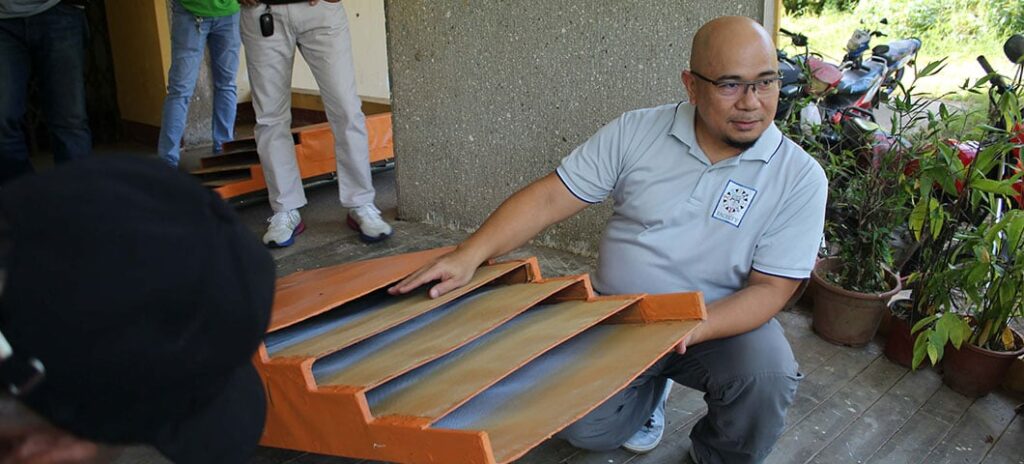
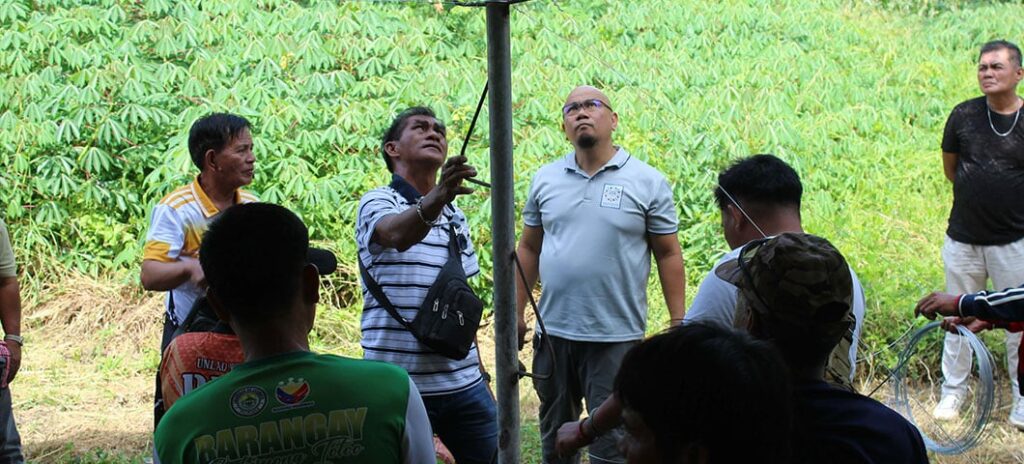
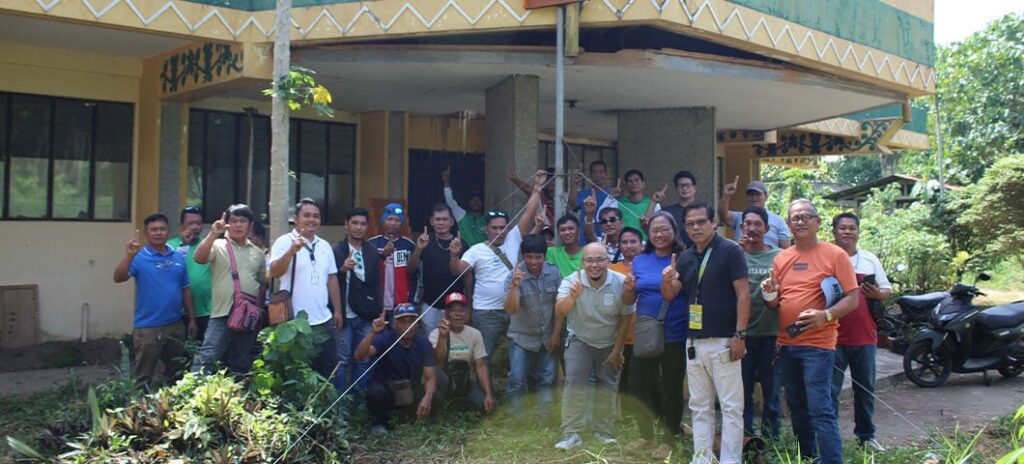
The activity then transitioned to the USMARDC Central Laboratory. Project Leader Tabora, along with the participants, inspected the bat shelters. The inspection was then followed by the installation of bat boxes—man-made habitats aimed at providing alternative roosting sites for bats.
A detailed session on the Local Bat Ordinance was then led by Component Leader Bernard Escarza to ensure the vanguards are well-versed in the legal frameworks protecting wildlife in the municipality.
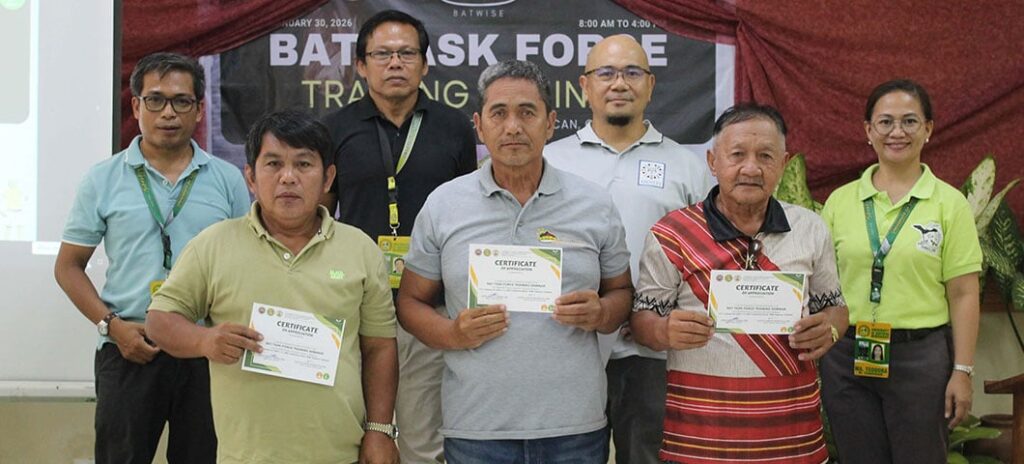
The conclusion of the event was marked by an open forum on ways forward for the BatWISE project. This was followed by the distribution of certificates to the resource speakers and participants.
Sir Jessie Elarde, Senior Science Research Specialist, sealed the program through a closing message. He highlighted the role of research towards providing sustainable solutions for communities, saying: “Malaki ang responsibilidad na ginagampanan naming mga researchers sa pagbibigay sa inyo ng kaalaman at kasanayan because these things ay na-prove na namin sa aming mga pinag-aralan and what we want is for you to also touch the lives of the people in your respective communities.”
As the project foresees the adoption of bat box technology and the municipal ordinance across different barangays, BatWISE opens new opportunities for improving rice farm productivity in Cotabato through ongoing research with PhilRice Midsayap. Through this, BatWISE protects biodiversity while empowering local farmers with innovative, nature-based solutions for crop protection.
The BatWISE Project is anchored in Municipal Ordinance No. 105 of 2021, which declares the illegal possession, collection, killing, consumption, destruction, and trading of all bats and other wildlife species found in the Municipality of Kabacan as unlawful.